Category: Projects

  • 25-Hectare Climate-Smart Cassava Seed Production Hub in Foulong

    25-Hectare Climate-Smart Cassava Seed Production Hub in Foulong

    STONEFARMS Launches 25-Hectare Climate-Smart Cassava Seed Production Hub in Foulong: The First Step Toward a 500-Hectare Rural Transformation Platform

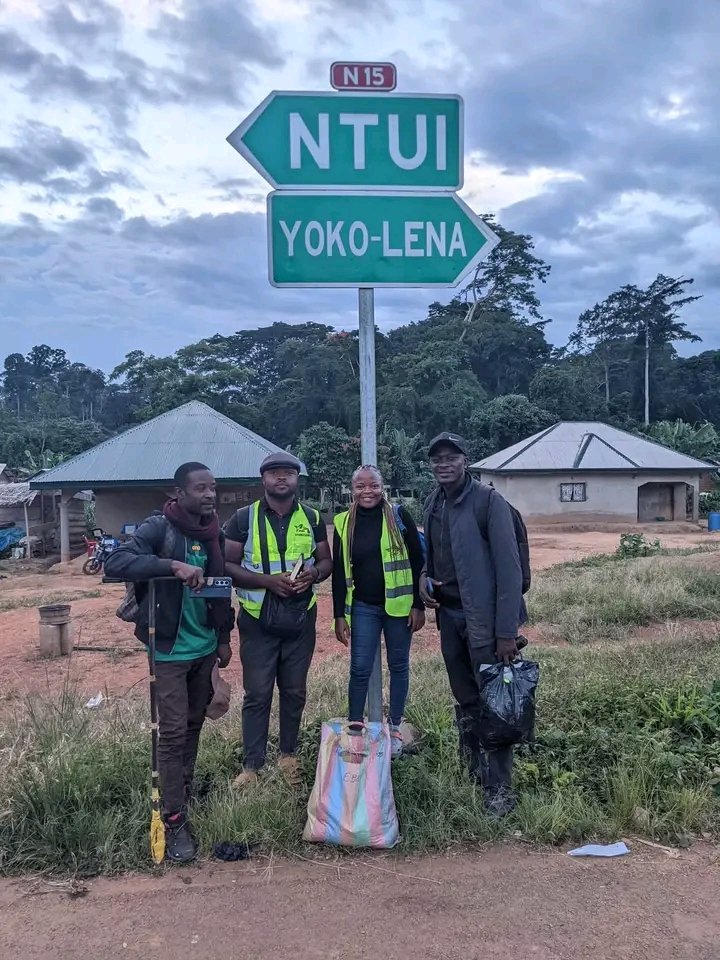
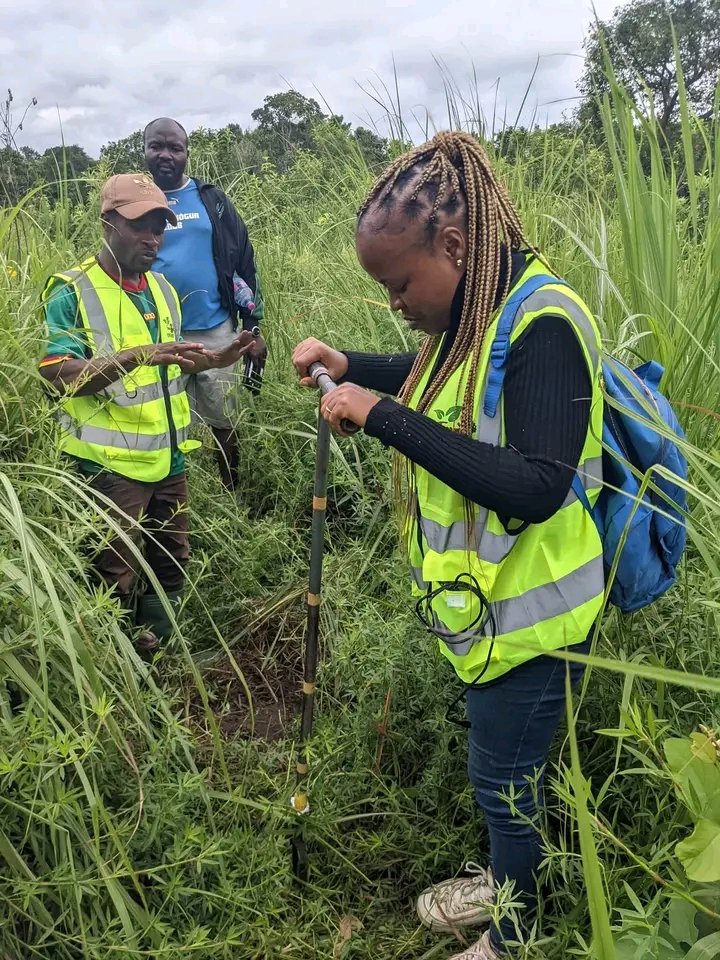
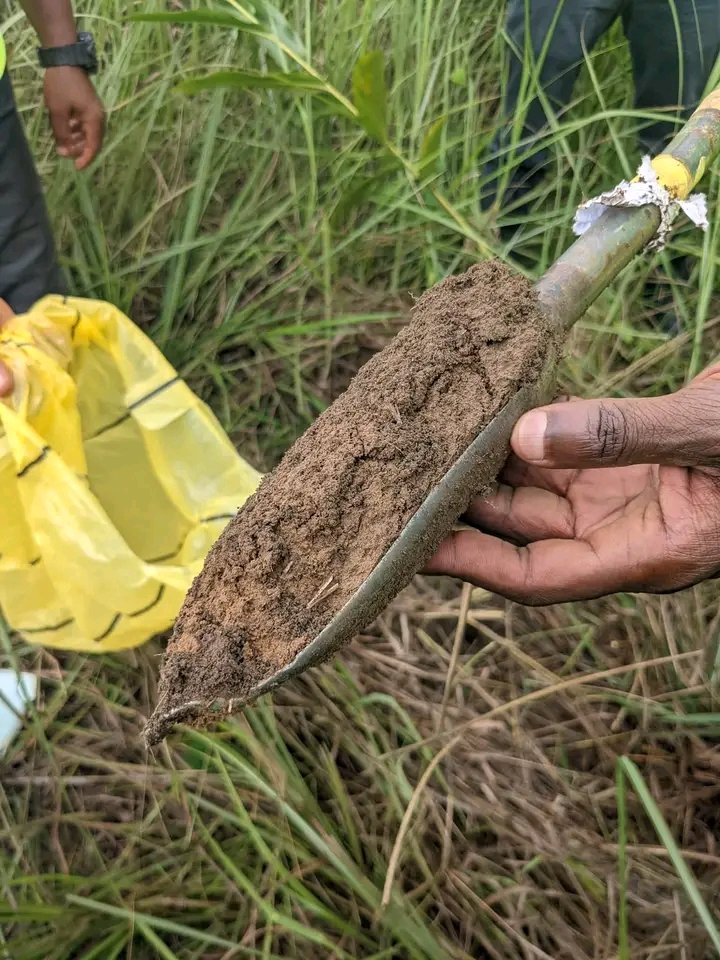
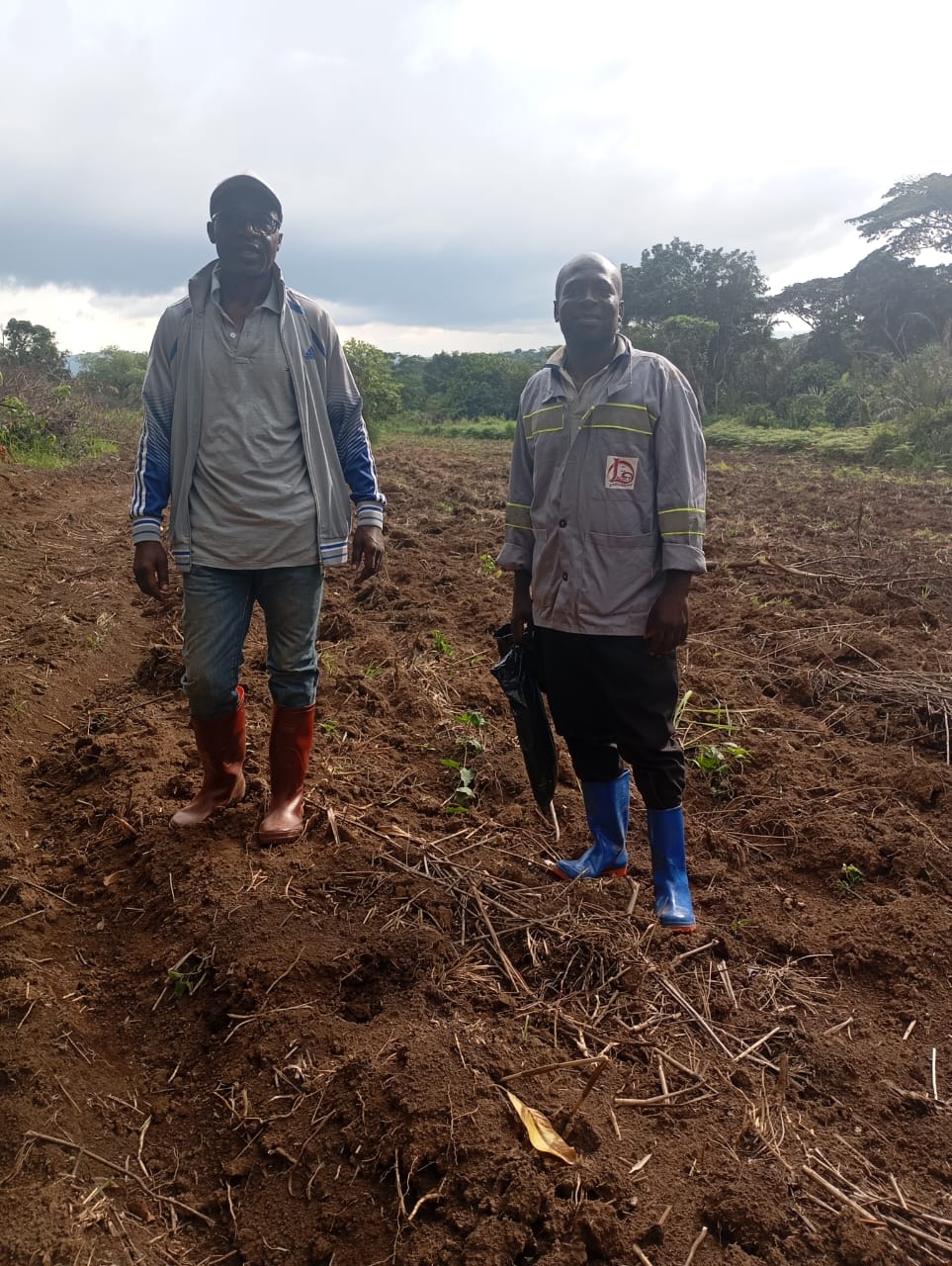
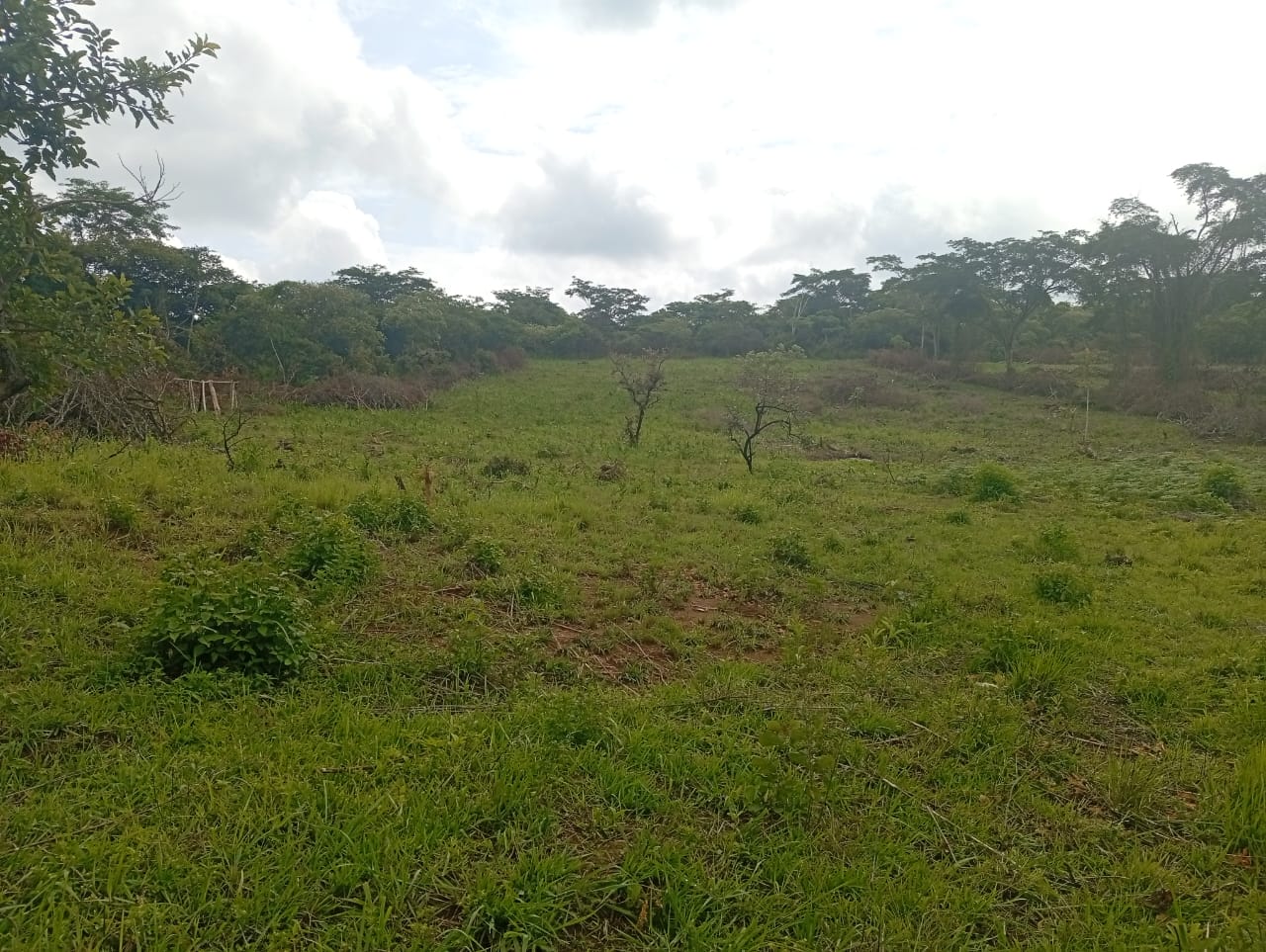
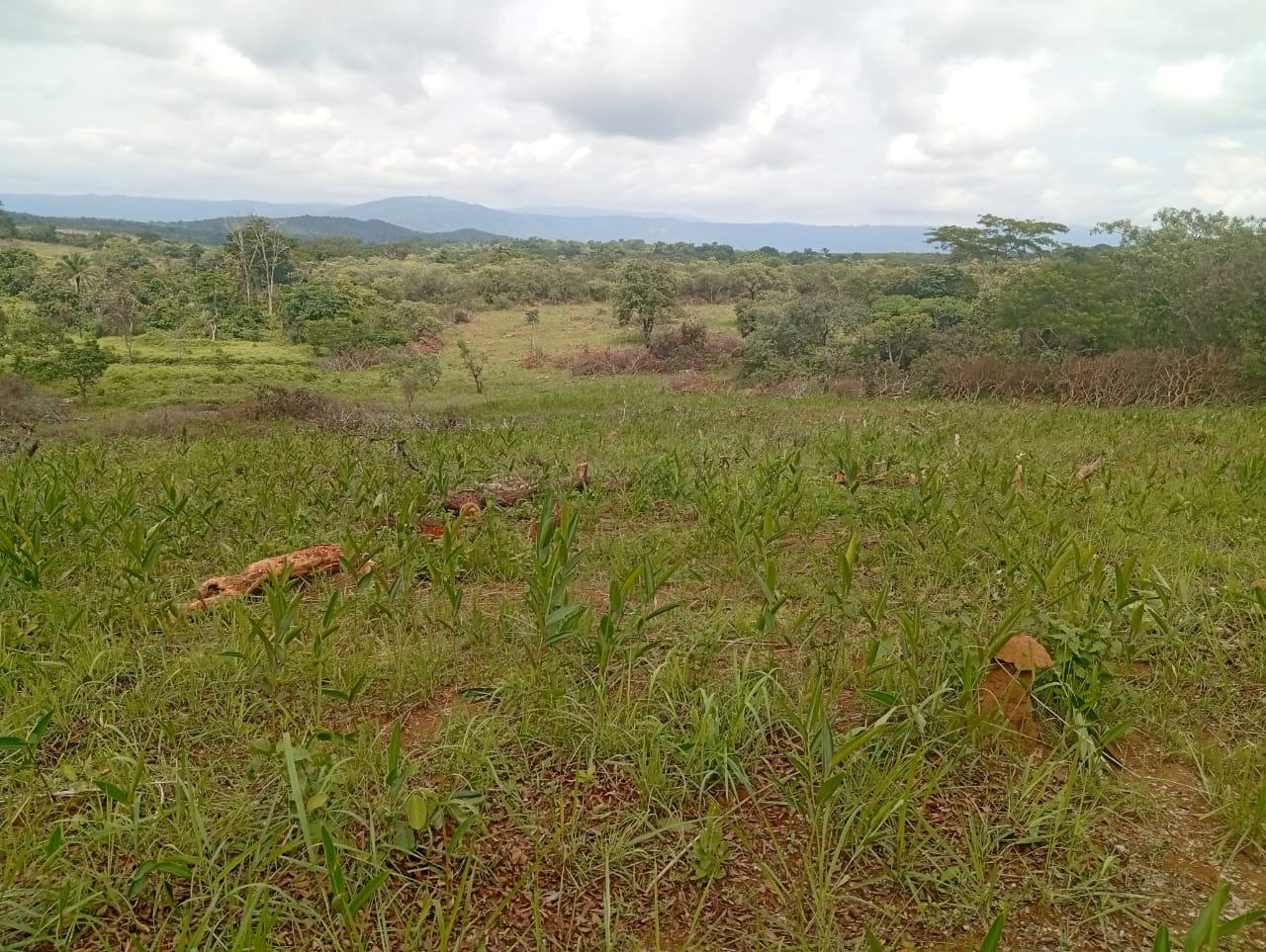
    In the fertile agricultural landscape of Foulong Village, located in Foumbot Subdivision of Cameroon’s West Region, a transformative initiative is taking shape. Led by STONEFARMS in strategic collaboration with WEFA SARL and Nature Guide, the Foulong Climate-Smart Cassava Development Initiative is laying the foundation for one of the most ambitious agroecological and rural transformation projects in the region.

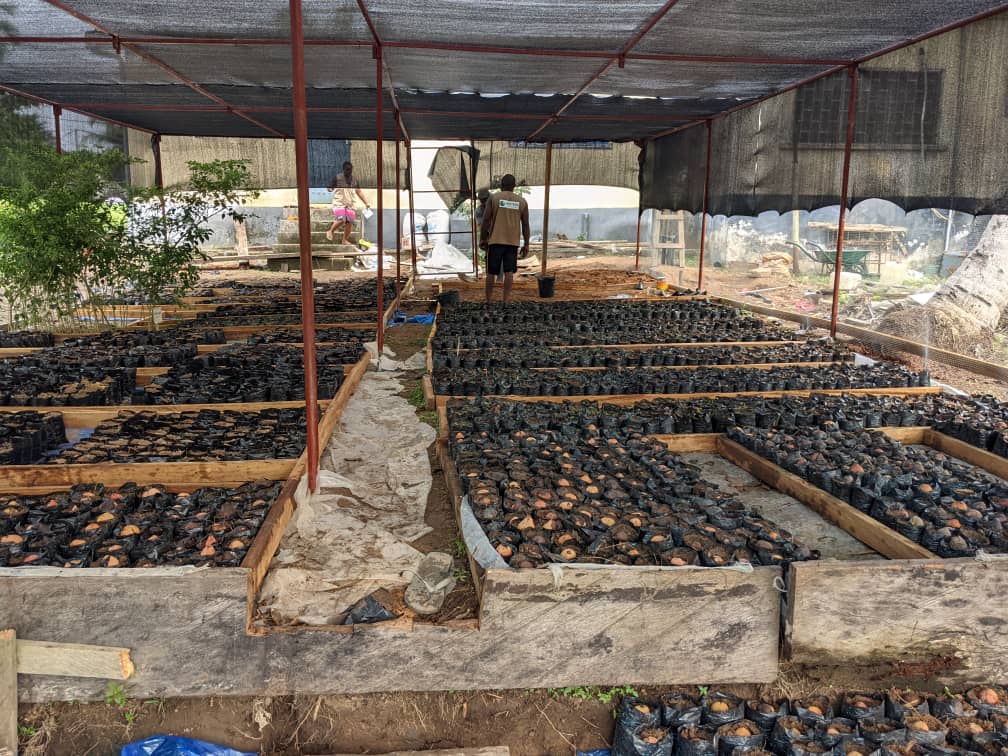
    At the heart of this vision is the establishment of a 25-hectare cassava seed multiplication hub, the pilot phase of a larger 500-hectare climate-smart agricultural development platform. Designed to address food insecurity, youth unemployment, environmental degradation, and rural poverty, the initiative demonstrates how sustainable agriculture can become a powerful engine for socioeconomic development and environmental stewardship.

    The project is not simply about growing cassava. It is about creating opportunities, restoring hope, strengthening communities, and building a resilient future for generations to come.

    Why Cassava Matters for Food Security in Africa

    Cassava is one of Africa’s most important staple crops, supporting the livelihoods and food security of hundreds of millions of people. In Cameroon and across Sub-Saharan Africa, it serves as a vital source of calories, household income, and economic activity.

    However, many farmers continue to face significant challenges, including limited access to quality planting materials, declining soil fertility, climate-related production risks, low productivity, and weak value chains.

    Recognizing these realities, STONEFARMS has prioritized the development of a high-quality cassava seed multiplication system capable of producing improved planting materials for future expansion and dissemination to farming communities. By starting with seed production, the organization is building the foundation for a sustainable and scalable agricultural ecosystem that can significantly improve productivity and strengthen food systems across the region.

    The 25-hectare pilot phase represents the first step toward realizing a broader vision of agricultural transformation driven by innovation, sustainability, and community participation.

    A Powerful Partnership Driving Change

    The progress achieved to date is the result of a strong and purposeful collaboration between STONEFARMS, WEFA SARL, and Nature Guide. This partnership demonstrates the power of collective action in addressing complex development challenges. Each organization has brought unique expertise, resources, and commitment to the initiative, contributing to planning, community engagement, technical support, site preparation, and operational coordination.

    Together, these partners have worked tirelessly to transform an ambitious vision into a tangible reality. Their collaboration reflects a shared belief that sustainable development requires strong alliances capable of combining knowledge, innovation, and practical action. The journey to this stage has required resilience, determination, and a deep commitment to rural transformation. As implementation progresses, the partnership continues to serve as a model for how organizations can work together to create meaningful and lasting impact.

    Overcoming the Realities of Rural Development

    Large-scale agricultural development in rural Africa presents unique challenges, and the Foulong initiative has been no exception. One of the most significant obstacles encountered during the site preparation phase has been labor mobilization. Although the project is located within an agricultural community, many residents of Foulong are already engaged in their own farming activities. Others depend on hunting and related livelihood activities. Consequently, the availability of labor for large-scale land preparation has been limited.

    To overcome this challenge, STONEFARMS, together with WEFA SARL and Nature Guide, expanded recruitment efforts into neighboring communities. Workers were mobilized from surrounding areas and provided with practical training to ensure that implementation activities met project standards and operational requirements.

    This experience highlights an important lesson: sustainable rural development requires continuous investment in human capital, workforce development, and skills training. It also reinforces the need to create attractive employment opportunities that encourage youth participation in modern agriculture.

    Investing in Human Capital: Worker and Intern Accommodation

    At STONEFARMS, sustainable development begins with people. Recognizing the importance of providing adequate support for project personnel, the organization has already invested in the construction of basic on-site accommodation facilities for workers, interns, and technical staff involved in project implementation. These facilities currently provide lodging for personnel working on the development platform, reducing logistical constraints and improving operational efficiency.

    As the project expands, STONEFARMS plans to modernize and significantly enhance these facilities, transforming them into a fully equipped agricultural learning and workforce support center capable of hosting interns, researchers, trainees, development practitioners, and technical experts from across Cameroon and beyond.

    This investment reflects the organization’s commitment to creating an enabling environment where learning, innovation, and productivity can thrive.

    Advancing Agricultural Mechanization

    Another major challenge has been limited access to agricultural mechanization. While considerable progress has been achieved through manual and semi-mechanized approaches, large-scale agricultural transformation requires greater access to modern equipment and machinery.

    Mechanization will play a critical role in improving efficiency, reducing labor burdens, accelerating implementation timelines, and enhancing overall productivity. To address this need, STONEFARMS is actively pursuing new strategic partnerships and investment opportunities that will support the gradual transition toward fully mechanized operations across the development platform. By embracing modern technologies while maintaining strong agroecological principles, the organization seeks to demonstrate that productivity and sustainability can advance hand in hand.

    Addressing Water Challenges and Improving Community Well-Being

    Access to safe drinking water remains one of the most pressing challenges affecting both project operations and surrounding communities. Currently, project teams often travel considerable distances to neighboring areas to obtain potable water. This situation highlights a broader infrastructure gap that affects local residents and limits opportunities for improved health and development outcomes.

    In response, STONEFARMS has incorporated community water access into its long-term development strategy. Future plans include the installation of boreholes that will provide reliable access to clean drinking water for workers, local residents, and future project beneficiaries. These investments are expected to improve public health, reduce the burden associated with water collection, and contribute to the overall well-being of the community. For STONEFARMS, agricultural development and human development are inseparable.

    Building Resilience in Challenging Conditions

    Implementation teams have also had to navigate environmental and operational challenges, including the presence of wild flies and other field-related constraints commonly associated with large-scale agricultural activities in tropical environments. Through adaptive management, field monitoring, and continuous learning, the project team has remained committed to maintaining progress while ensuring worker safety and operational effectiveness.

    These experiences underscore the resilience required to deliver meaningful development outcomes in challenging environments and reinforce STONEFARMS’ commitment to innovation and problem-solving.

    Beyond Farming: A Vision for Rural Transformation

    The Foulong Climate-Smart Cassava Development Initiative is designed to become far more than a cassava production project. It represents a long-term vision for integrated rural transformation, combining sustainable agriculture with environmental stewardship, economic empowerment, and human development.

    Over time, STONEFARMS envisions the development of:

    • Large-scale climate-smart cassava production systems
    • High-quality seed multiplication programs
    • Organic liquid fertilizer, biopesticide, and bioherbicide production units
    • Agro-processing and value-addition facilities
    • Vocational training and agricultural innovation centers
    • Green job creation initiatives
    • Renewable energy systems
    • Community boreholes and social infrastructure
    • Environmental restoration and biodiversity conservation programs
    • Agro-tourism and environmental education platforms


    This integrated model seeks to demonstrate how agriculture can drive sustainable economic growth while simultaneously protecting natural resources and improving quality of life.

    A Model for Sustainable Development in Africa

    The Foulong Climate-Smart Cassava Development Initiative aligns closely with global efforts to advance food security, climate action, sustainable livelihoods, and environmental conservation. Through regenerative agriculture, circular economy principles, climate resilience measures, and community-centered development approaches, STONEFARMS is building a model that can be replicated across Cameroon and other parts of Sub-Saharan Africa. The initiative reflects a belief that rural communities possess enormous potential when provided with the right resources, partnerships, and opportunities.

    Looking Ahead: Planting the Seeds of Transformation

    Today, the 25-hectare cassava seed multiplication hub stands as a powerful symbol of progress, partnership, and possibility. While challenges remain, the foundations are being laid for a future in which agriculture serves not only as a source of food, but also as a pathway to prosperity, resilience, and sustainable development.

    The seeds being planted in Foulong today will do more than produce cassava. They will generate opportunities for farmers, create jobs for youth and women, strengthen food systems, improve community well-being, and contribute to environmental restoration.

    Through the leadership of STONEFARMS and the unwavering support of WEFA SARL, Nature Guide, local communities, and future partners, this initiative is helping to shape a new model of rural transformation—one that is productive, inclusive, climate-resilient, and sustainable.

    At STONEFARMS, we are not merely cultivating cassava. We are cultivating opportunity, restoring ecosystems, empowering communities, and building a future where people and nature thrive together.

  • STONEFARMS & ABOYERD: Growing Conservation Together in Campo Ma’an

    STONEFARMS & ABOYERD: Growing Conservation Together in Campo Ma’an

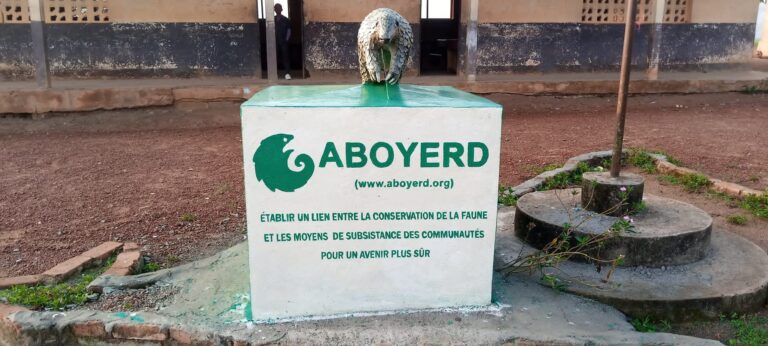
    STONEFARMS is thrilled to announce a transformative new partnership with ABOYERD, a seasoned conservation organization, in a landmark biodiversity restoration project in Campo Ma’an National Park, Cameroon. This UNESCO-recognized hotspot is home to over 1,500 plant species and a vast array of wildlife, making it one of Africa’s most ecologically significant regions.


    STONEFARMS is thrilled to announce a transformative new partnership with ABOYERD, a seasoned conservation organization, in a landmark biodiversity restoration project in Campo Ma’an National Park, Cameroon. This UNESCO-recognized hotspot is home to over 1,500 plant species and a vast array of wildlife, making it one of Africa’s most ecologically significant regions.

    At the heart of this collaboration is the creation of a 5,000-fruit tree nursery aimed at restoring degraded habitats, increasing food sources for native fauna, and strengthening ecological resilience. The project blends science and community, engaging local populations in every step—from seed germination to nursery management.

    Key goals include:

    • Restoring critical wildlife habitats

    • Building STONEFARMS’ conservation expertise

    • Promoting biodiversity and food security

    • Fostering community ownership and capacity

    The partnership stands as a model of what 21st-century conservation should be: collaborative, community-driven, and deeply rooted in knowledge sharing. With ABOYERD’s mentorship, STONEFARMS is not only planting trees but cultivating a future of environmental leadership and grassroots empowerment.

    Together, we’re planting more than trees—we’re planting the future. 🌱

  • STONEFARMS Nursery: A Living Laboratory for Green Innovation and Sustainable Agriculture

    STONEFARMS Nursery: A Living Laboratory for Green Innovation and Sustainable Agriculture

    At the heart of Dschang, Cameroon, nestled within the lush agroecological environment of the Menoua Division, lies STONEFARMS Nursery a beacon of innovation, biodiversity, and sustainability. More than just a traditional plant nursery, STONEFARMS serves as a living laboratory where regenerative agriculture, circular economy principles, and climate-smart practices converge. Our nursery is organized into six distinct plant categories socio-economic plants, ecological plants, agroforestry species, ornamentals, leafy vegetables, and medicinal plants each contributing uniquely to sustainable development, biodiversity conservation, and food and income security.

    1. Socio-Economic Plants: Cultivating Resilience and Prosperity

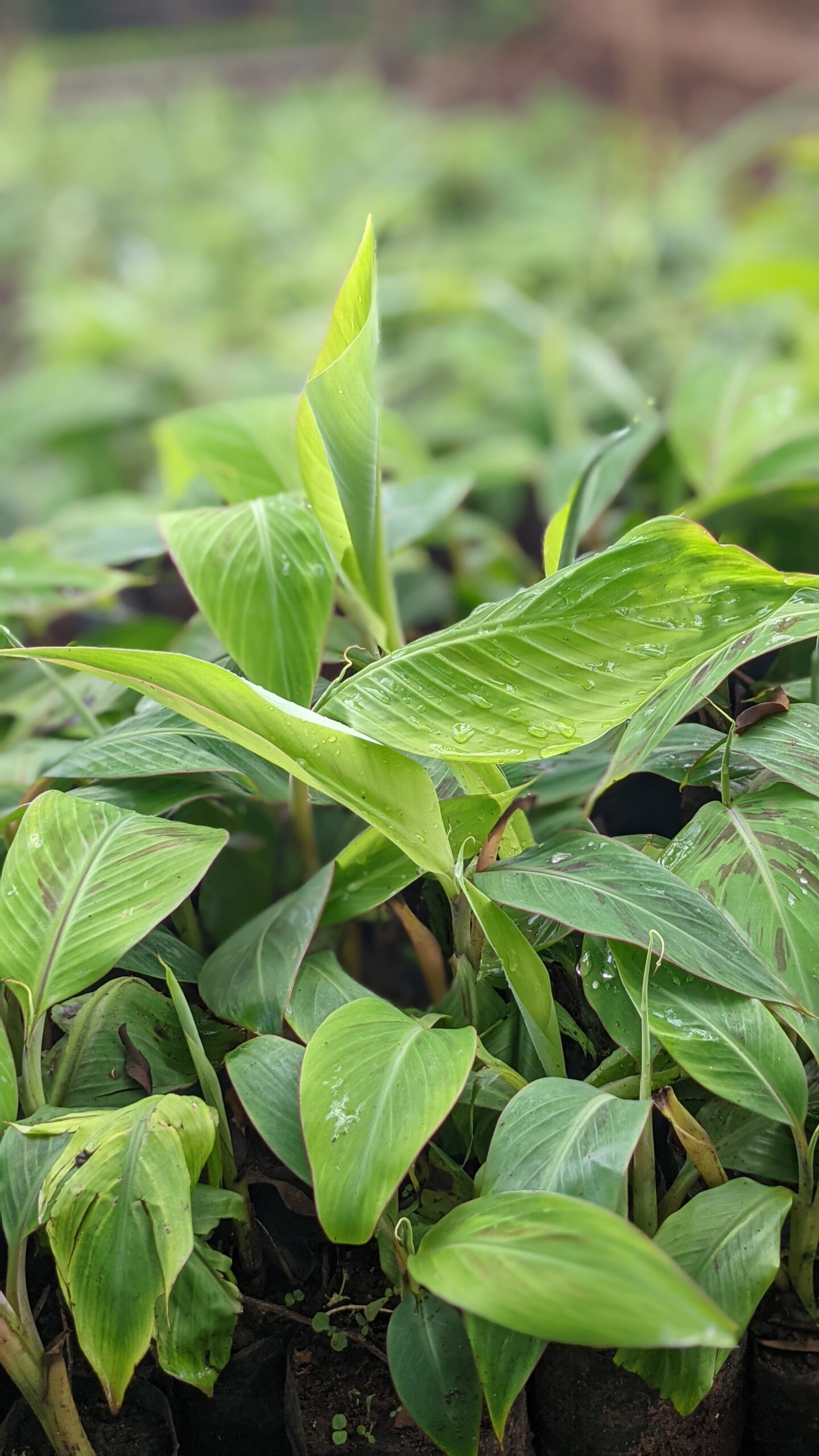
    Our socio-economic plant section is dedicated to species with high market value and livelihood potential. Here, we propagate and distribute fruit trees and cash crops such as avocado, citruses, papaya, mango, coffee, cocoa, safou, Soursop, Bitter cola, monkey kola, Jackfruit, and plantain suckers, among others. These plants are selected not only for their economic significance but also for their adaptability to local climates and soils. Through this initiative, We contributes to poverty alleviation by equipping farmers, youth, and women’s groups with the tools to establish profitable and resilient agro-enterprises.

    2. Ecological Plants: Restoring Ecosystems and Enhancing Climate Resilience

    Our ecological plants are central to our mission of restoring degraded landscapes and enhancing biodiversity. This section includes a wide range of native trees, nitrogen-fixing species, and pioneer plants that improve soil fertility, prevent erosion, and create microclimates. These species such as Leucaena leucocephala, Acacia spp., Sesbania, and Gliricidia sepium are propagated for reforestation, watershed protection, and the rehabilitation of depleted farmlands. This effort reinforces our commitment to ecological balance and long-term land stewardship.

    3. Agroforestry Plants: Designing Integrated and Productive Systems

    The agroforestry segment of our nursery supports integrated land-use systems that combine trees with crops and livestock. We offer a selection of multipurpose trees and shrubs like Moringa, Calliandra, Grevillea, Neem, and Bamboo , Garcinia cola, Raffia that provide food, fodder, fuel, timber, and soil improvement functions. By promoting agroforestry, STONEFARMS contributes to climate-smart agriculture, carbon sequestration, and farm productivity enhancement, enabling smallholders to maximize land utility while safeguarding the environment.

    4. Ornamentals: Beautifying Spaces, Enriching Lives

    Beauty and biodiversity meet in our ornamentals section. We propagate flowering plants, shrubs, climbers, and decorative grasses that bring color and vitality to homes, public spaces, and ecological gardens. These include hibiscus, bougainvillea, marigold, tradescantia, Royal palms, and crotons, which are increasingly demanded for landscaping, eco-tourism ventures, and urban beautification projects. By encouraging ornamental horticulture, STONEFARMS fosters eco-conscious aesthetics and mental well-being in both rural and urban environments.

    5. Leafy Vegetables: Nutritious Crops for Food Security

    Our leafy vegetable segment supports food sovereignty and urban nutrition. We grow and distribute highly nutritious greens such as amaranth, huckleberry (njama-njama), waterleaf, lettuce, spinach, and celery, Okong obong, Carrots which are essential for balanced diets and accessible year-round farming. These crops are fast-growing and suited for both rural and peri-urban cultivation, making them a key resource for smallholder families, school gardens, and women-led nutrition programs.

    6. Medicinal Plants: Preserving Indigenous Knowledge and Health

    Our medicinal plant collection embodies the rich ethnobotanical heritage of Cameroon. We cultivate a range of species with proven healing properties, including Leaf of Life (Kalanchoe)Aloe vera, Moringa oleifera, Rumex, Desmodium, Artemisia annua, lemon grass, noni, neem, and bitter leaf (Vernonia amygdalina). These plants are crucial in supporting community health, promoting herbal medicine, and preserving indigenous knowledge systems. We also collaborate with traditional healers, herbalists, and academic institutions for research and education on plant-based wellness.

    – Urban Farming Innovations: Pioneering the Circular and Green Economy

    We believe that sustainable farming must be inclusive, innovative, and accessible especially in urban and peri-urban settings. That’s why we have embraced a suite of urban farming techniques that align with the principles of circular economy and the green economy.

    We are proud pioneers of soilless cultivation systems (hydroponics and substrate-based planting), which allow efficient crop production in space-limited areas using minimal water and no synthetic chemicals. These systems are especially vital for urban residents who seek self-sufficiency without access to arable land.

    Our innovative use of cement bags, plastic bottles, and upcycled containers as planting media exemplifies our commitment to recycling and waste reduction. These solutions serve dual purposes: greening urban environments and diverting plastic and industrial waste from landfills.

    Furthermore, our bamboo farming program introduces this fast-growing, renewable resource as a climate-resilient crop with a multitude of uses from construction and handicrafts to erosion control and carbon capture. Bamboo represents a powerful tool for sustainable land use, especially on marginal or degraded soils.

    – A Green Legacy for Future Generations

    Through our nursery, STONEFARMS is not only propagating plantswe are cultivating knowledge, empowerment, and ecological consciousness. Each seedling represents a step toward a more sustainable, equitable, and regenerative future. We provide training, consulting, and outreach services to ensure that every plant distributed is paired with the capacity to thrive.

    Whether you are a farmer seeking economic opportunity, a community leader restoring your environment, a city dweller growing food on your balcony, or a student exploring agroecology STONEFARMS Nursery is your partner in growing the green economy.

    Visit us in Yangem, Dschang, and experience the heartbeat of sustainable agriculture in action.

  • 🍓 Strawberries on Bamboo: A Model of Intelligent Farming at STONEFARMS Nursery, Dschang

    🍓 Strawberries on Bamboo: A Model of Intelligent Farming at STONEFARMS Nursery, Dschang

    At STONEFARMS, innovation meets sustainability in the heart of Yaguem village, Dschang, West Cameroon. Our latest showcase in agroecological design is a living testament to what intelligent, small-scale farming can look like when guided by creativity, ecological harmony, and community purpose.

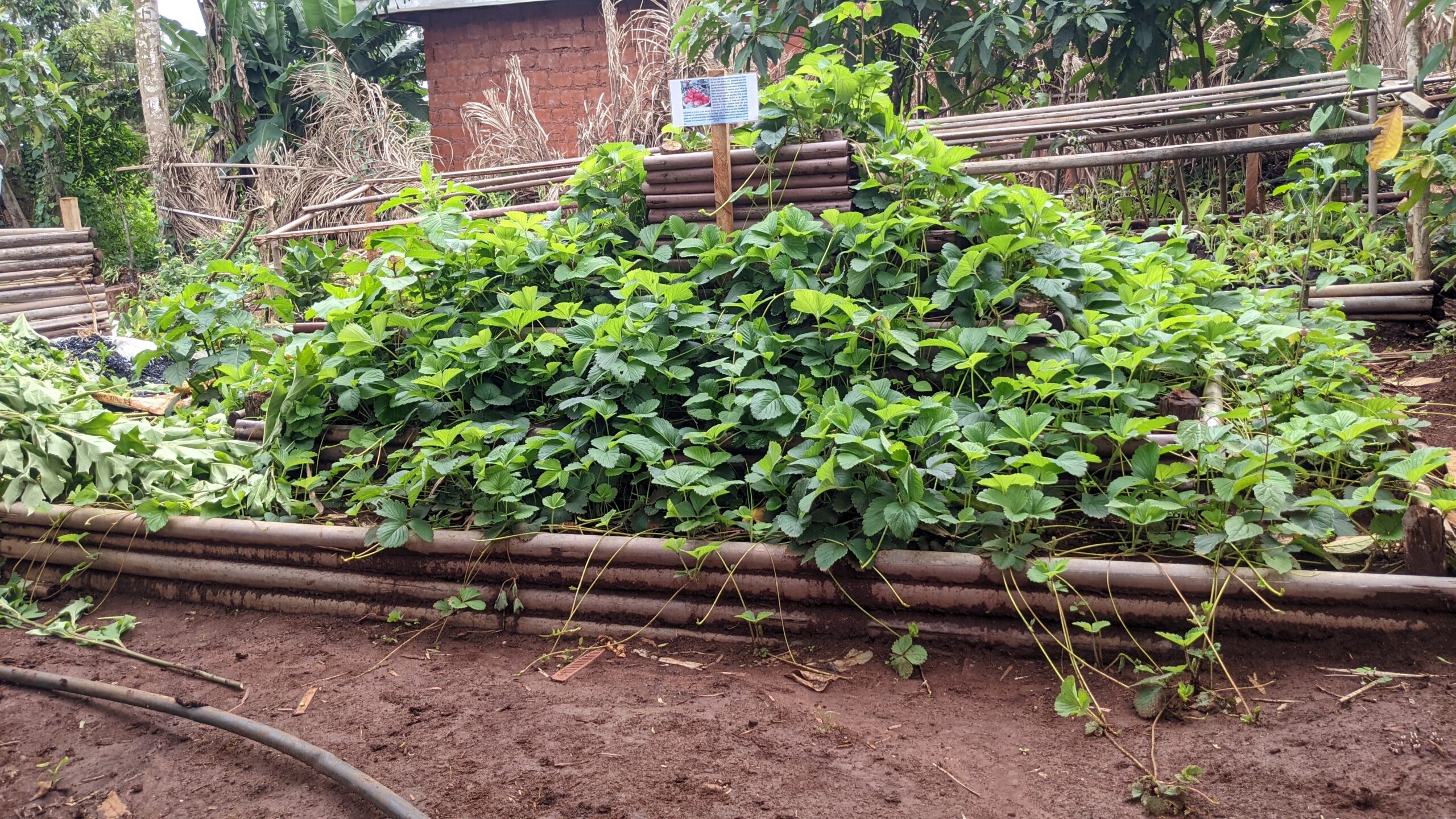
    Welcome to our Bamboo Pyramid Cultivation System an eye-catching and highly productive model we developed right within our plant nursery.

    🌿 The Concept: Nature-Inspired, Farmer-Driven

    – In this system, we’ve used locally sourced bamboo to build a tiered pyramid structure and raised beds not just for aesthetics, but for function. Bamboo is durable, renewable, and abundantly available, making it an ideal material for sustainable farming in rural communities.

    What grows on it? A clever polyculture of strawberry, lettuce, cabbage, and okra each plant chosen for its unique growth characteristics and its ecological synergy with the others.

    🍓 Why Strawberries on a Pyramid ?

    Strawberries are often underestimated in African agriculture, yet they offer high value in urban and peri-urban markets. By planting them on a pyramid,

    • We maximize space vertically
    • Improve aeration and drainage
    • Reduce soil-borne diseases through elevation
    • And make harvesting easier a practical bonus
    • The strawberries sprawl gracefully over the tiers, while lettuce and cabbage form lush, water-retaining layers, and okra stands tall, contributing shade and vertical diversity.

    🥬 Intelligent Plant Association

    • This mixed planting isn’t random. It’s a thoughtfully designed system where:
    • Lettuce helps cover soil and retain moisture.
    • Cabbage adds biomass and suppresses weeds.
    • Okra contributes to microclimate regulation and adds vertical diversity.
    • Strawberries benefit from shared nutrients and reduced pest pressure.

    The result? Higher productivity, fewer chemical inputs, and healthier soil.

    🌱 A Living Lab for Eco-Education

    More than a farm bed, this pyramid is a living classroom. Visitors, youth, farmers, and students can learn hands-on about polyculture, vertical farming, bamboo construction, and the economic potential of strawberries in Cameroon.

    📍 Location

    You can see this thriving example of agroecological design in our STONEFARMS nursery at Yaguem village, just outside Dschang, West Cameroon. It is part of our broader mission to empower local farmers, promote biodiversity, and implement sustainable, high-yield farming techniques tailored to our environment.

  • CLIMATE AWARENESS CAMPAIGN

    CLIMATE AWARENESS CAMPAIGN

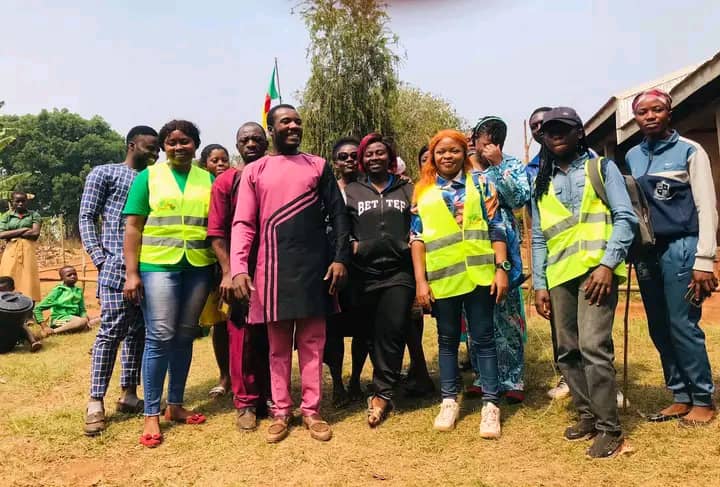
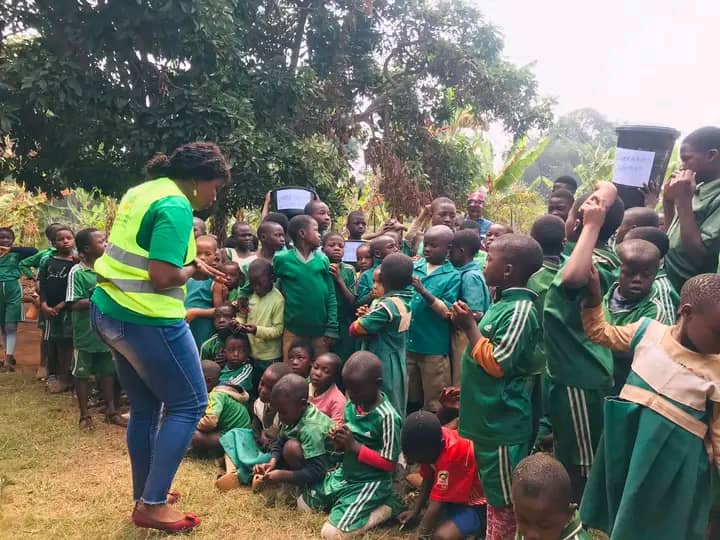
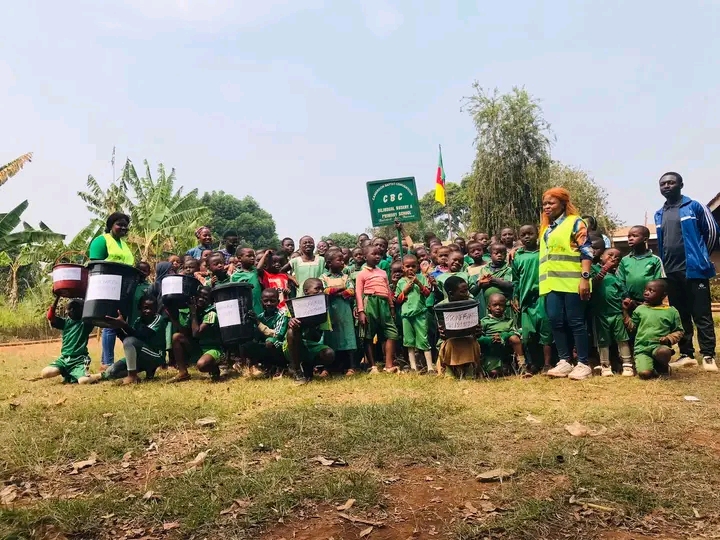
    Our recent climate change awareness campaign was at the Cameroon Baptist Convention (CBC) Primary and Secondary School Balatsit.

    STONEFARMS team J-nee Mengets and Gabrièle Rodine Ngassa Tchoumi engaged with students and staff, emphasizing the importance of protecting our planet. To promote cleanliness and reduce pollution, we donated buckets to encourage proper waste sorting in the school premises.

    This initiative aligns with the United Nations Sustainable Development Goals (SDGs), specifically:

    👉SDG 4: Quality Education (promoting education for sustainable development)
    👉SDG 6: Clean Water and Sanitation (encouraging proper waste management and hygiene practices)
    👉SDG 13: Climate Action (educating and inspiring climate action among young people)

    We’re really committed to supporting the school’s sustainability journey so, our next steps include:

    👉Composting workshops to turn waste into nutrient-rich soil for the school gardens.
    👉Tree planting on school campus to promote biodiversity and mitigate climate change.

    We’re proud to inspire the next generation of climate leaders. Stay tuned for updates on our climate action initiatives.