Author: Stone Farms

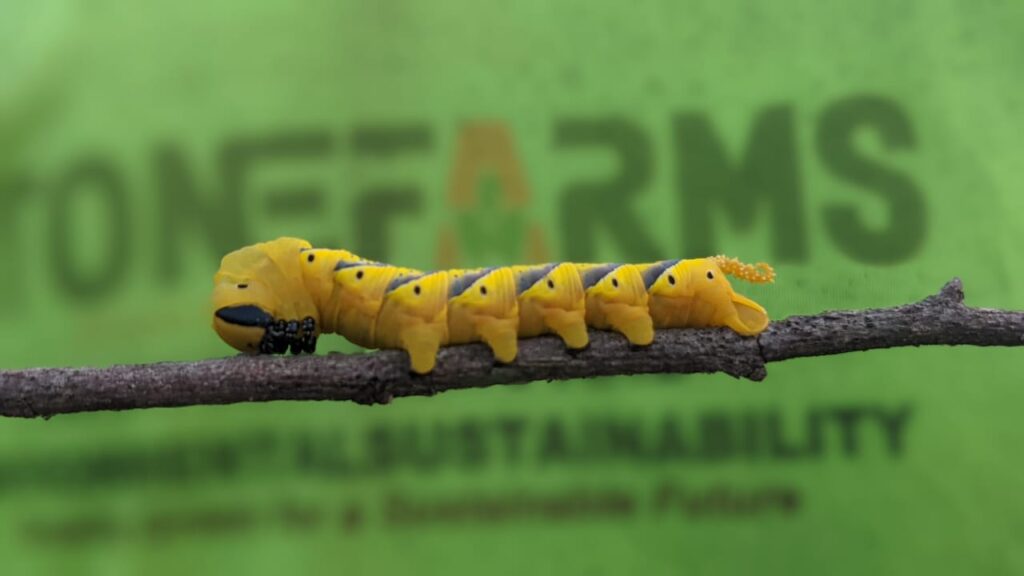
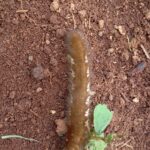
  • The African Death’s-head Hawkmoth Caterpillar

    The African Death’s-head Hawkmoth Caterpillar

    A Living Indicator of Biodiversity, Ecological Balance, and Sustainable Farming

    “On the farms of STONEFARMS, agriculture is not only about yields, hectares or profits; it is about sustainable life.”

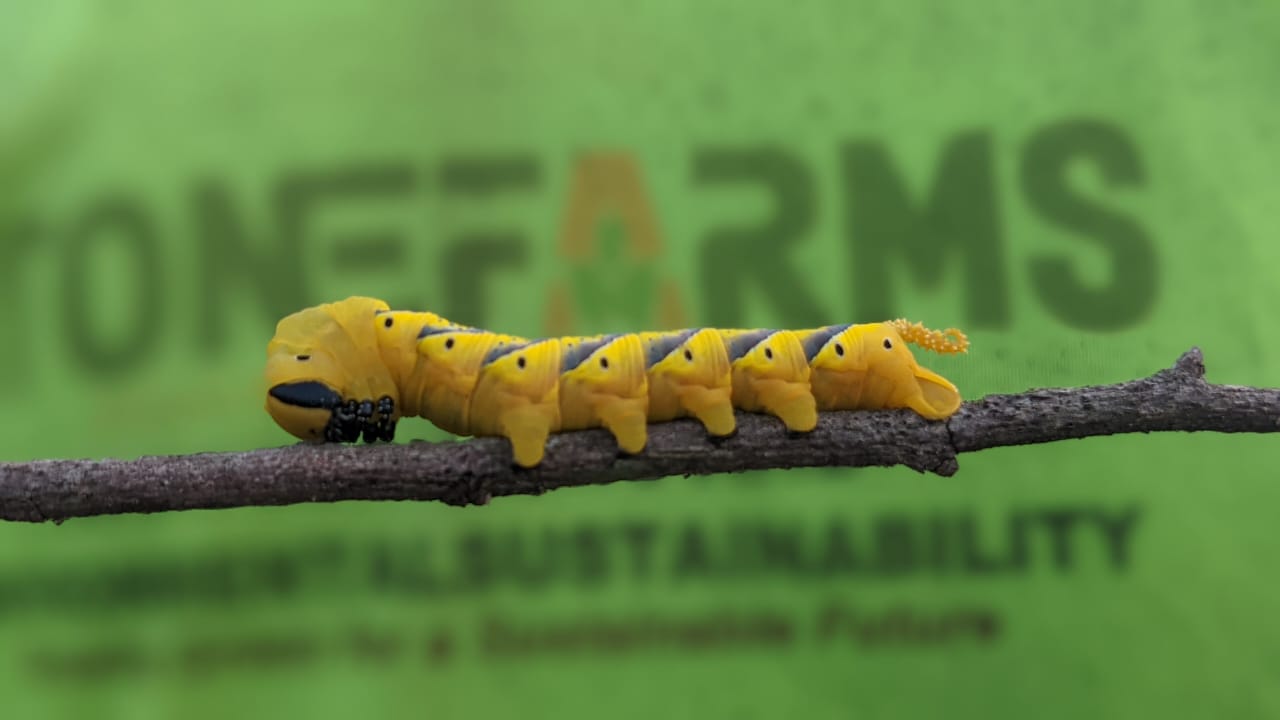
    Every organism present on our land tells a story about the health of the ecosystem we manage. Recently, our team observed the African Death’s-head Hawkmoth caterpillar (Acherontia atropos) within our farming landscape. This discovery is far more than a curiosity. It is a biological signal, a message from nature confirming that our agroecological practices are fostering balance, resilience, and biodiversity.

    This article explores the ecological significance of Acherontia atropos, and highlights why its presence matters for sustainable agriculture in Cameroon, Africa and beyond.

    Understanding Acherontia atropos:

    Beyond Myths and Fear the African Death’s-head Hawkmoth is one of the most recognizable moth species in the world, named for the skull-like marking on the thorax of the adult moth. Unfortunately, this striking feature has historically fueled superstition, fear, and misunderstanding.

    In reality, Acherontia atropos is not a symbol of death, but rather a symbol of transformation, ecological continuity, and environmental health. The caterpillar stage large, colorful, and highly visible is a critical phase in the species’ life cycle. During this stage, the caterpillar feeds, grows, and accumulates the energy required for metamorphosis, eventually transforming into a strong nocturnal pollinator.

    Ecological Role of the Death’s-head Hawkmoth Caterpillar

    1. A Key Link in the Food Web
      – The caterpillar serves as an essential food source for birds, reptiles, and other insectivores. Its presence supports trophic balance, ensuring energy transfer across ecosystem levels.
      – The caterpillar forms a key link in the food web, supporting birds, reptiles, and other insectivores. As an adult, the moth contributes to pollination, especially of night- blooming plants. The species is also a bio-indicator, thriving only in environments with low chemical pressure and healthy biodiversity.
    2. Contributor to Pollination
      While the caterpillar itself does not pollinate, the adult hawkmoth is a powerful nocturnal
      pollinator, particularly for night-blooming plants. Hawkmoths play a role similar to bats in some ecosystems, supporting plant reproduction and genetic diversity.
    3. Bio-indicator of Environmental Health
      Acherontia atropos does not thrive in heavily polluted or chemically saturated
      environments. Its presence strongly suggests
      – Low pesticide pressure
      – Healthy plant diversity
      – Functional soil and insect communities
      In agroecology, such species are known as bio-indicators organisms that reveal the true condition of an ecosystem better than any laboratory test.

    Why Its Presence on Farms Matters

    • Modern agriculture often treats farms as sterile production units, eliminating insects without discrimination. This approach weakens ecosystems, increases pest outbreaks, and leads to chemical dependency.
    • Its presence shows that farms can be productive while remaining living ecosystems. This confirms that agroecology strengthens, rather than limits, agriculture.

    The appearance of the African Death’s-head Hawkmoth caterpillar on a working farm demonstrates something different

    • The farm functions as a living ecosystem
    • Natural regulation processes are active
    • Biodiversity and productivity coexist we see this as proof that ecological farming is not a limitation it is a strength.

    Agroecology in Practice: The STONEFARMS Approach

    Our farming philosophy is rooted in

    • Observation before intervention
    • Knowledge before elimination
    • Coexistence before control

    When an unfamiliar organism appears, our first response is learning, not destruction. Many species initially perceived as pests later reveal themselves as.

    1. Natural predators
    2. Pollinators
    3. Soil enhancers
    4. Ecological stabilizers

    This approach reduces long-term costs, protects ecosystems, and builds climate-resilient agriculture.

    Cultural Perception vs Scientific Reality

    Across Africa and Europe, the Death’s-head Hawkmoth has been surrounded by myths.
    However, science tells a different story

    • It does not bring misfortune
    • It does not threaten human life
    • It does not destroy farms indiscriminately
    • What it does bring is evidence of life in balance.

    Replacing fear with education is one of the most important steps toward sustainable land management. Biodiversity is often treated as a side benefit of farming. we consider it a core performance indicator on our farms.

    Healthy biodiversity

    • Improves soil fertility
    • Enhances natural pest regulation
    • Increases resilience to climate shocks
    • Strengthens food security

    Conclusion

    The presence of Acherontia atropos on our farms is not random. It is the result of intentional choices to farm with nature rather than against it. This caterpillar reminds us that when biodiversity thrives, agriculture thrives.

    STONEFARMS remain committed to building farming systems that produce food, protect ecosystems, empower communities, and respect all forms of life.

    Scientific Sidebar: Acherontia atropos

    Scientific Classification

    Kingdom: Animalia
    Phylum: Arthropoda
    Class: Insecta
    Order: Lepidoptera
    Family: Sphingidae
    Genus: Acherontia
    Species: Acherontia atropos

    Common Names
    • African Death’s-head Hawkmoth
    • Death’s-head Hawkmoth
    Life Cycle
    • Egg – Laid on host plants such as Solanaceae
    • Larva (Caterpillar) – Feeding and growth stage
    • Pupa – Underground metamorphosis
    • Adult Moth – Nocturnal, migratory pollinator
    Ecological Notes
    • Active mainly at night as an adult
    • Sensitive to heavy pesticide use
    • Indicator of ecosystem balance
    Human Interaction
    • Harmless to humans
    • Should not be destroyed unnecessarily
    • Best managed through observation and ecological balance
  • Farming in Harmony with Nature: The Role of Biodiversity at STONEFARMS

    Farming in Harmony with Nature: The Role of Biodiversity at STONEFARMS

    Here we believe that true agriculture goes beyond planting crops and harvesting yields. It is about cultivating living ecosystems where plants, animals, insects, and microorganisms all interact to sustain life. This philosophy underpins our commitment to regenerative agriculture and biodiversity conservation.

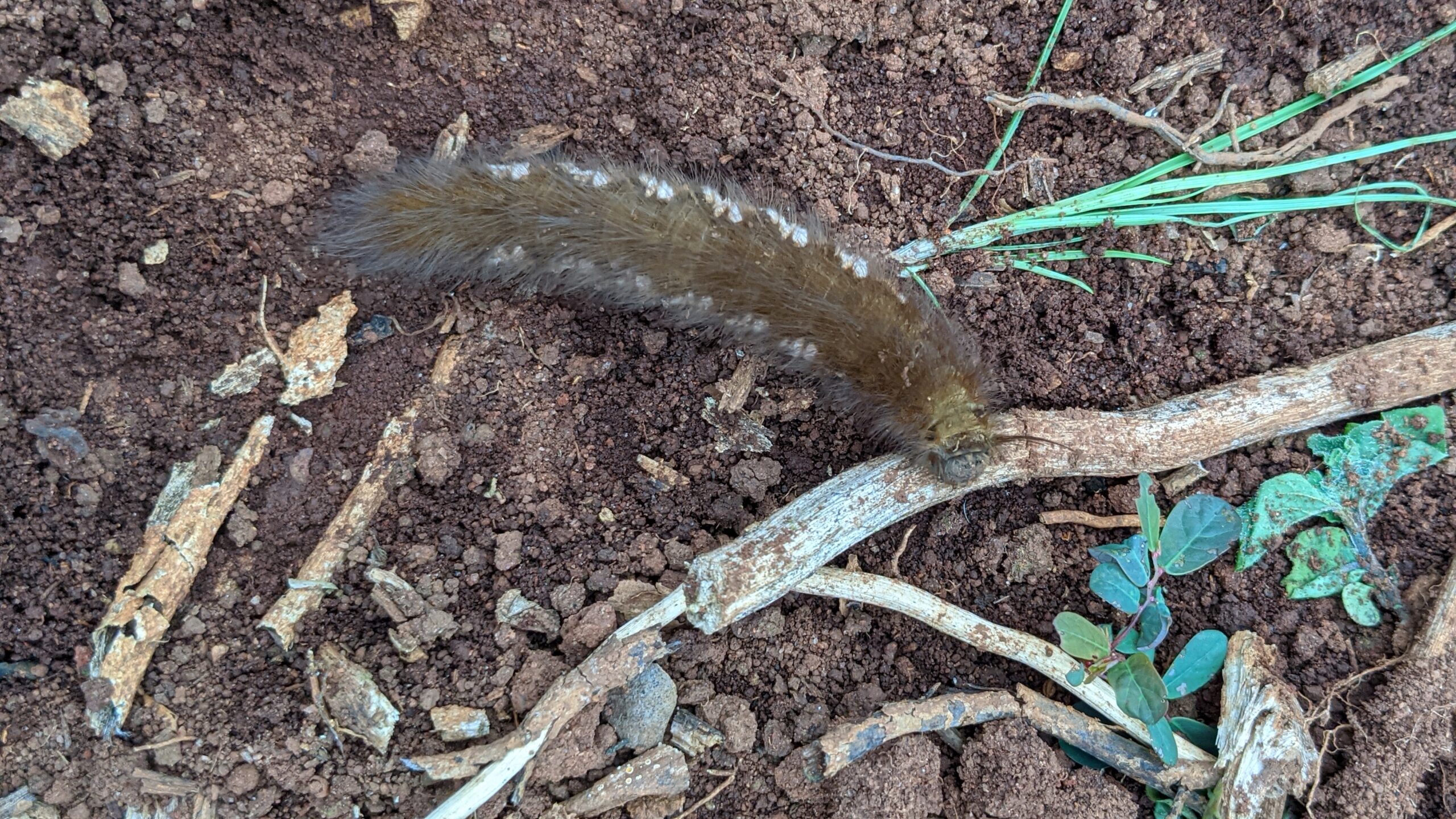
    One of the most striking reminders of this interconnectedness comes from the creatures we often meet on our farms. Among them is the fascinating hairy caterpillar, scientifically known as Lonomia obliqua.

    1. A Small Creature with a Big Role

    At first glance, a caterpillar might seem insignificant, or even a nuisance in the eyes of conventional farming. Yet, these organisms are critical to maintaining ecological balance. The Lonomia species, like many caterpillars, occupies an important niche in the ecosystem:

    Food Chain Contribution: Caterpillars serve as prey for birds, reptiles, amphibians, and other beneficial species. Their presence supports biodiversity by feeding higher levels of the food web.

    Ecological Transformation: Through metamorphosis, they evolve into moths, which in turn support pollination and natural regeneration cycles in the environment.

    Soil and Nutrient Cycling: By feeding on plant material, caterpillars participate in the natural recycling of organic matter, indirectly enriching the soil.

    Did You Know?
    • The hairy caterpillar Lonomia obliqua is sometimes called the “assassin caterpillar” because of the stinging spines on its body.
    • Despite its defensive nature, it eventually transforms into a harmless silk moth.
    • Caterpillars are considered bioindicators, meaning their presence (or absence) helps scientists measure the health of ecosystems.
    • In regenerative farms, their survival shows that chemical pesticide use is minimized—a sign of ecological balance.

    2. The Complexity of Co-Existence

    It is important to note that Lonomia obliqua is also known for its defensive features. The tiny spines covering its body contain toxins that can cause irritation or even harm if touched. In conventional farming systems, such species are often destroyed or eliminated.

    At STONEFARMS, however, we take a different path. Guided by our regenerative model, we recognize that every species whether plant, insect, or microorganism has a role to play in the resilience of ecosystems. Rather than eradicating them, we foster safe co-existence. This means educating our farmers, interns, and visitors on responsible handling, while allowing these species to fulfill their ecological functions undisturbed.

    3. Farming with Nature, Not Against It

    Our encounter with creatures like Lonomia obliqua highlights a powerful truth: agriculture and nature are not opposing forces they are partners. By adopting eco-friendly practices such as organic soil management, habitat preservation, and integrated pest management, We ensure that farming activities regenerate rather than deplete the environment.

    This harmony between farming and nature benefits not only ecosystems but also communities. Healthier soils lead to more nutritious crops, diverse habitats sustain pollinators, and balanced ecosystems reduce dependence on chemical inputs. The result is farming that is sustainable, resilient, and deeply aligned with the rhythms of the natural world.

    4. Our Commitment to Biodiversity

    We are more than just a farming organisation. We are a hub for conservation, education, and empowerment. By showcasing the value of species like the hairy caterpillar, we remind ourselves and others that agriculture must be a force for life.

    Biodiversity is not a luxury it is the foundation of resilient food systems and a healthy planet. And at STONEFARMS, we are proud to play our part in preserving it.

    We don’t just grow crops in our farms and nurseries we nurture ecosystems.
    So together, let us build a future where farming and nature thrive side by side.

    By STONEFARMS Communication and Research Department

  • Raising Agripreneurs and Climate Advocates at STONEFARMS

    Raising Agripreneurs and Climate Advocates at STONEFARMS

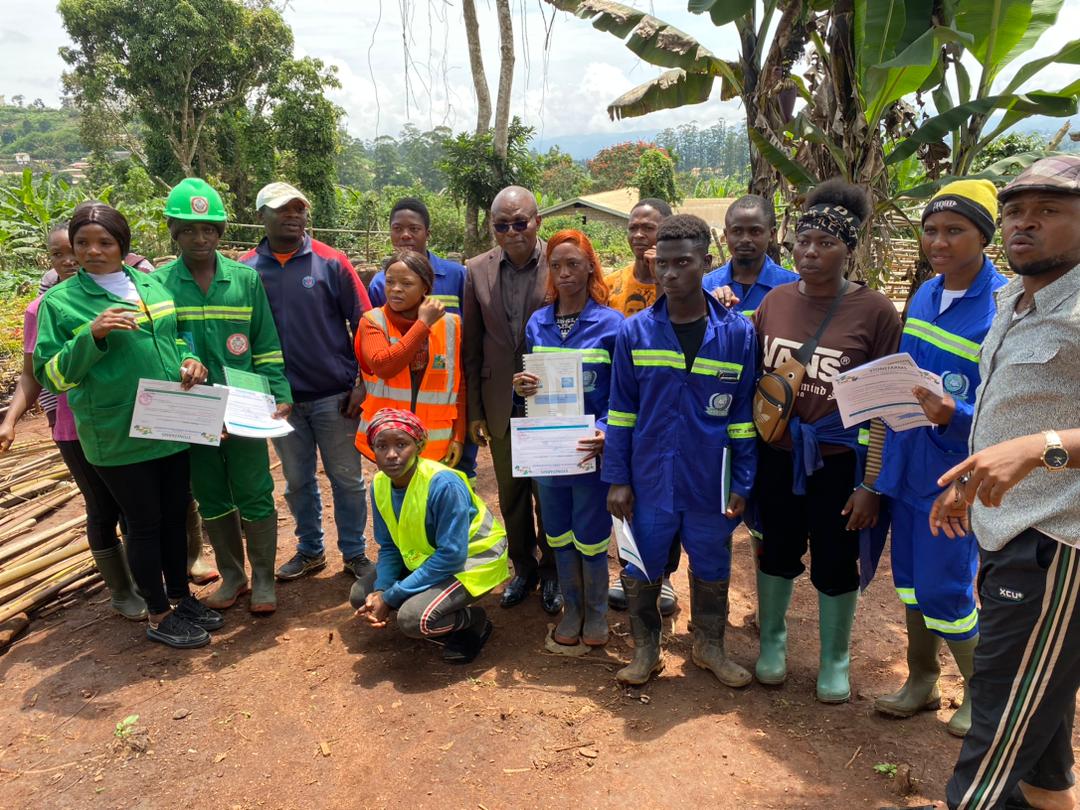
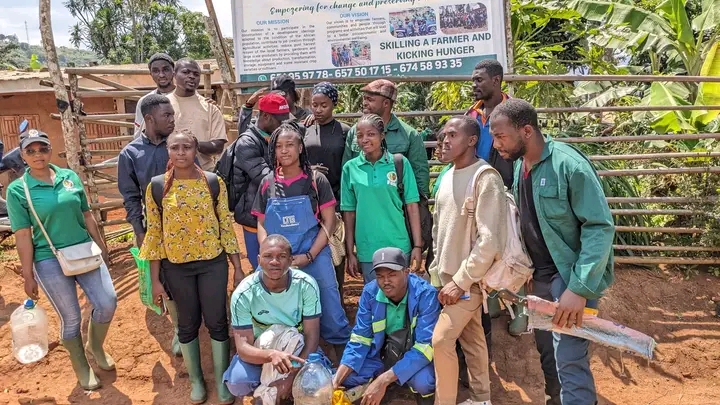
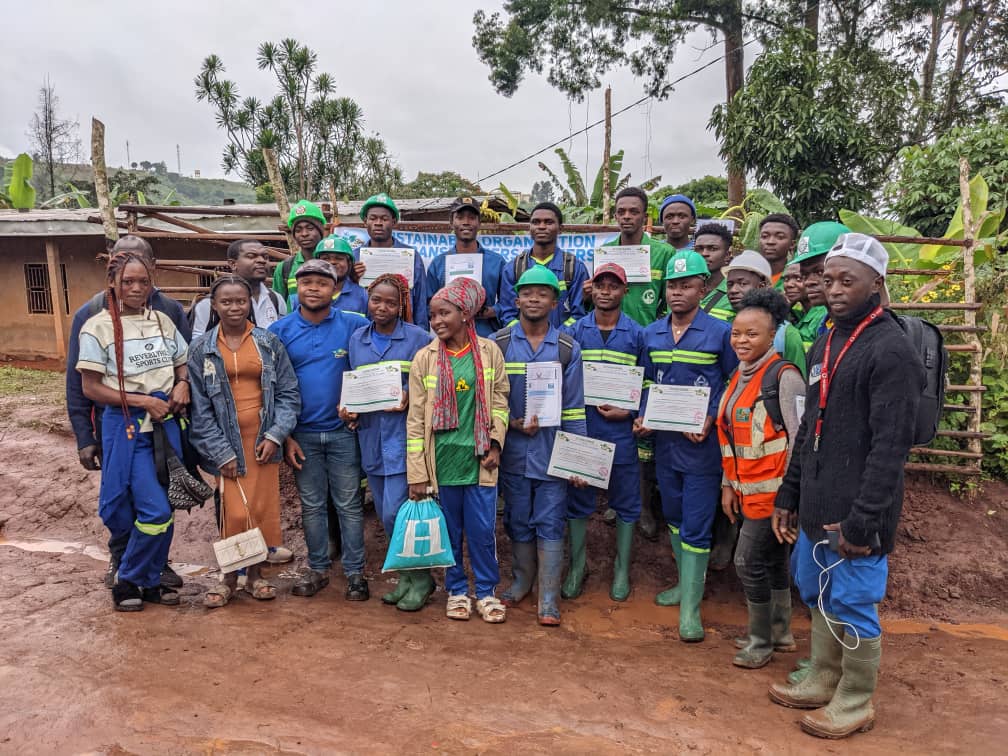
    STONEFARMS believes agriculture is more than cultivating crops it is about nurturing people, shaping leaders, and building resilience against climate change. This vision came alive during our most recent 3-month internship evaluation of students for their academic and professional internship, where over 28 interns from Eight higher institutions across Cameroon presented their work before a jury of seasoned experts.

    The students, representing, The Faculty of agronomy and agricultural science (FASA Dschang), NANFAH Higher Institute (Dschang), PHIBMAT Higher Institute (Douala), FOYAGUEM Higher Institute (Dschang), Thiobeems Polytechnique (Bafoussam), ETA Bafang, ABC Vocational Training Center (Dschang), and Business & Career University (Dschang), spent their internship journey immersed in both technical agriculture and climate-smart practices.

    1. What They Learned

    Our curriculum blends agribusiness skills with climate advocacy, ensuring every intern graduates as a resilient agripreneur and a climate-conscious leader. Key areas of training included:

    • Nursery management and plant propagation
    • Agroecology & regenerative agriculture
    • Organic fertilizer & compost production
    • Farm and garden installations(school gardens, community gardens)
    • Urban farming innovations
    • Sales techniques & agribusiness models
    • Community support & leadership
    • Climate change awareness & mitigation strategies

    We ensure students understand not only how agriculture sustains livelihoods, but also how it is intertwined with the climate crisis, and what practical methods can be used to mitigate its effects on farms and communities.

    2. Evaluation: Classroom Standards, Real-World Relevance

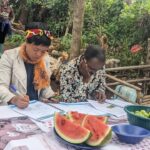
    At the end of the internship, each student is given 15 minutes to present their findings and experiences. They are evaluated rigorously, much like in an academic defense, but with practical agricultural depth.

    This session was guided by a highly qualified jury of experts:

    • Dr. Ndifon Dimanche Kenga – Agricultural extension and community development expert
    • Dr. Boyah Julius Kajoh – Biotechnologist and development expert
    • Mr. Ginga Emile Ande– Climate expert
    • Mme Magentoh Janiver – Soil scientist and agricultural engineer
    • Mr. Bongkiyoung Manet – Agricultural engineer and water systems management expert
    • Mr Signing Nguena Emile — Practicing Agripreneur for over 22 years

    Their feedback and comments not only validates student work but also sharpens their perspectives for academic and professional growth.

    3. Rewarding Excellence with Seeds of the Future

    To recognize discipline and outstanding performance, we award the “Seed Prize” a symbolic yet powerful gift. Interns receive high-value seeds such as soursop, papaya, lettuce, carrot, and moringa, across socio-economic, ecological, medicinal, and horticultural categories.

    These seeds, worth between 50,000 – 220,000 FCFA per liter, contain thousands of grains that can start a nursery or farm. Beyond financial value, they are seeds of independence and transformation, enabling students to launch their entrepreneurial journey immediately.

    In addition, each intern receives attestations and appraisal forms, formally recognized by their schools for their HND or degree programs.

    4. Growing Africa’s Next Generation of Climate-Smart Agripreneurs

    – Every internship evaluation at STONEFARMS is more than a closing ceremony , it is a launchpad for Cameroon and Africa’s next generation of agripreneurs, climate advocates, and community leaders.

    – We take pride in blending hands-on agricultural skills, climate advocacy, mentorship, and entrepreneurial vision, ensuring every student who passes through STONEFARMS leaves with the confidence, resilience, and clarity to face the future.

    So we don’t just grow plants in our farms and nurseries, we grow people, resilience, and climate-smart futures for Cameroon and Africa.

    By STONEFARMS’ Communication and Human Resource Department.

  • STONEFARMS AGRICULTURE HOLIDAY PROGRAM 2025

    STONEFARMS AGRICULTURE HOLIDAY PROGRAM 2025

    Empowering the Next Generation of Agripreneurs & Nature Stewards
    “Let’s Turn our Kids Into Young Eco Heroes”

    STONEFARMS Research Park, located in the heart of Yangem, Dschang, is pleased to launch its 2025 Agriculture Holiday Program, scheduled to run from July 7th to August 8th, 2025. This enriching program is designed to inspire, educate, and empower young individuals through immersive, hands-on agricultural experiences during their holiday break.

    This unique holiday program offers an unforgettable green adventure where fun, learning, and climate action go hand in hand. Children and youth will engage in practical agricultural activities, connect deeply with nature, and build environmental awareness all in a safe, nurturing, and joyful setting.

    🌟 Program Overview

    Rooted in STONEFARMS’ commitment to sustainable agriculture and youth empowerment, the Agriculture Holiday Program offers a dynamic blend of practical learning, ecological awareness, and fun-filled activities in a natural and collaborative environment.

    👥 Who Can Participate?

    The program welcomes:

    • Children aged 6 to 18 years
    • Youths aged 19 to 35 years

    Whether you are a budding nature enthusiast, an aspiring agripreneur, or simply curious about sustainable farming, this program is crafted to meet you where you are and help you grow.

    🌿 What Awaits You?

    Participants will benefit from:

    Hands-on Agricultural Training: Learn directly from experienced agronomists and eco-farmers through interactive fieldwork and demonstrations.

    Innovative Agroecology Activities: Engage in fun, age-appropriate tasks such as planting, composting, nursery management, animal care, and more.

    Leadership & Team Building: Strengthen collaboration skills through group projects and farm challenges.

    Inspiration from Experts: Attend interactive sessions with professionals and guest speakers from the agricultural, environmental, and entrepreneurship sectors.

    Networking Opportunities: Build lasting friendships and professional connections with peers who share your passion for the planet and food systems.

    📌 Why Join Us?

    This is more than just a holiday program — it is a life-shaping experience that:

    Nurtures ecological intelligence and practical farming skills

    Encourages responsible environmental stewardship

    Supports personal development and vocational orientation

    Offers a safe, inclusive, and stimulating learning environment

    📝 Registration Now Open!

    Secure your spot today and prepare for an unforgettable summer filled with learning, nature, innovation, and fun!

    For inquiries and enrollment details, please contact us at:
    📧 info@blogs.stonefarms.org
    📞 (+237) 657501715/677001436

    STONEFARMS – Sowing Seeds of Change, Cultivating Future Leaders

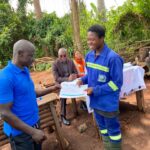
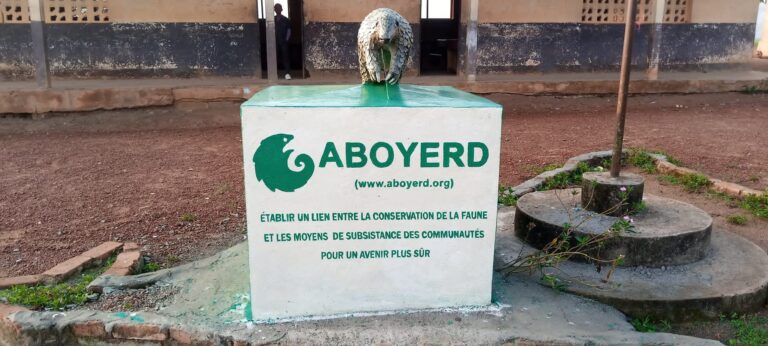
  • STONEFARMS & ABOYERD: Growing Conservation Together in Campo Ma’an

    STONEFARMS & ABOYERD: Growing Conservation Together in Campo Ma’an

    STONEFARMS is thrilled to announce a transformative new partnership with ABOYERD, a seasoned conservation organization, in a landmark biodiversity restoration project in Campo Ma’an National Park, Cameroon. This UNESCO-recognized hotspot is home to over 1,500 plant species and a vast array of wildlife, making it one of Africa’s most ecologically significant regions.


    STONEFARMS is thrilled to announce a transformative new partnership with ABOYERD, a seasoned conservation organization, in a landmark biodiversity restoration project in Campo Ma’an National Park, Cameroon. This UNESCO-recognized hotspot is home to over 1,500 plant species and a vast array of wildlife, making it one of Africa’s most ecologically significant regions.

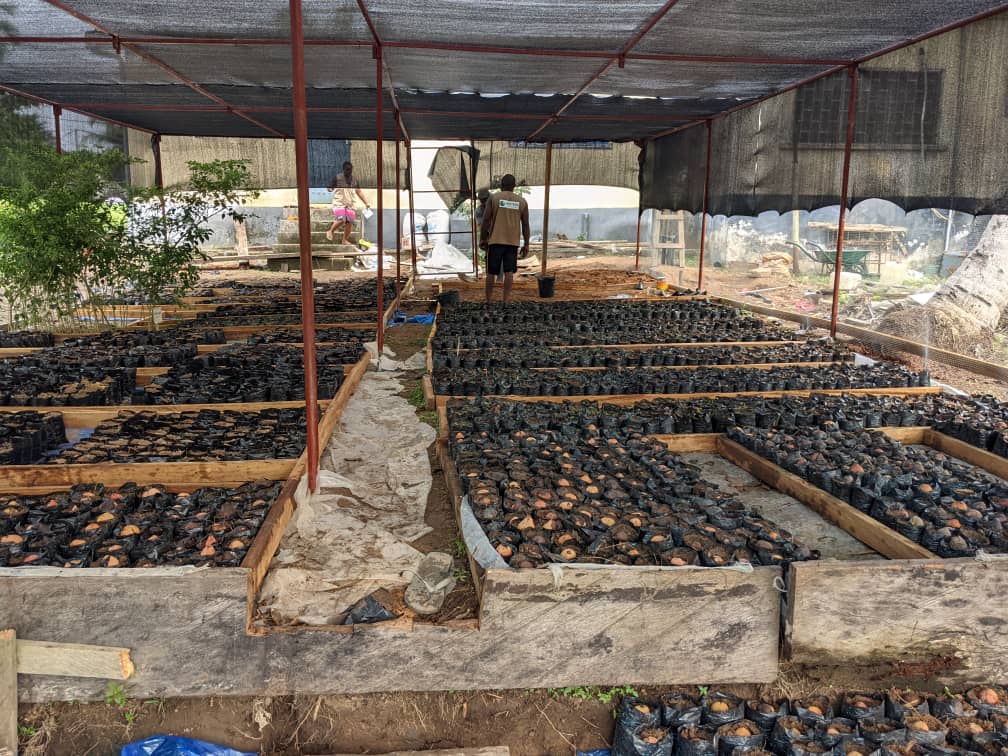
    At the heart of this collaboration is the creation of a 5,000-fruit tree nursery aimed at restoring degraded habitats, increasing food sources for native fauna, and strengthening ecological resilience. The project blends science and community, engaging local populations in every step—from seed germination to nursery management.

    Key goals include:

    • Restoring critical wildlife habitats

    • Building STONEFARMS’ conservation expertise

    • Promoting biodiversity and food security

    • Fostering community ownership and capacity

    The partnership stands as a model of what 21st-century conservation should be: collaborative, community-driven, and deeply rooted in knowledge sharing. With ABOYERD’s mentorship, STONEFARMS is not only planting trees but cultivating a future of environmental leadership and grassroots empowerment.

    Together, we’re planting more than trees—we’re planting the future. 🌱

  • STONEFARMS Nursery: A Living Laboratory for Green Innovation and Sustainable Agriculture

    STONEFARMS Nursery: A Living Laboratory for Green Innovation and Sustainable Agriculture

    At the heart of Dschang, Cameroon, nestled within the lush agroecological environment of the Menoua Division, lies STONEFARMS Nursery a beacon of innovation, biodiversity, and sustainability. More than just a traditional plant nursery, STONEFARMS serves as a living laboratory where regenerative agriculture, circular economy principles, and climate-smart practices converge. Our nursery is organized into six distinct plant categories socio-economic plants, ecological plants, agroforestry species, ornamentals, leafy vegetables, and medicinal plants each contributing uniquely to sustainable development, biodiversity conservation, and food and income security.

    1. Socio-Economic Plants: Cultivating Resilience and Prosperity

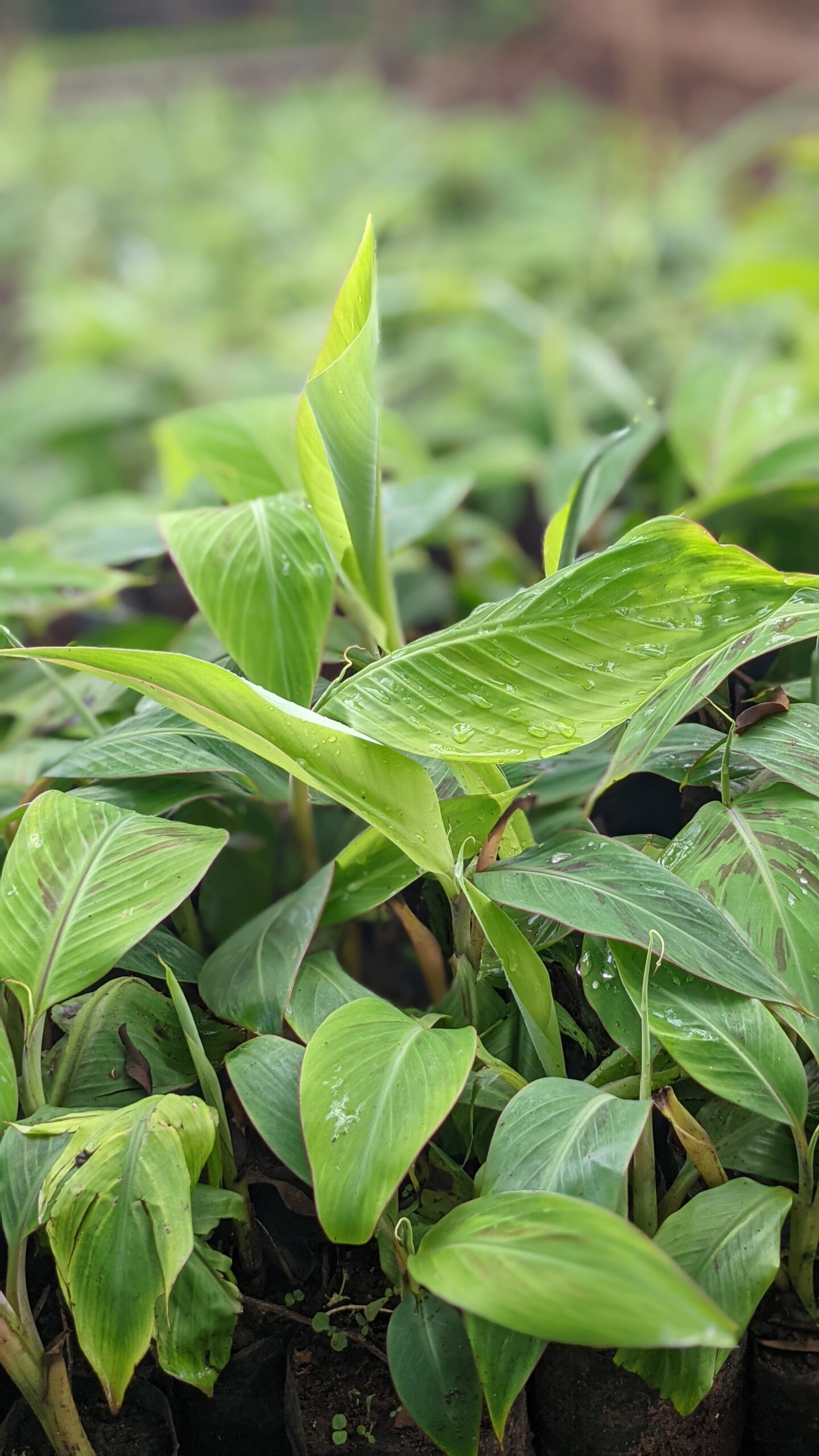
    Our socio-economic plant section is dedicated to species with high market value and livelihood potential. Here, we propagate and distribute fruit trees and cash crops such as avocado, citruses, papaya, mango, coffee, cocoa, safou, Soursop, Bitter cola, monkey kola, Jackfruit, and plantain suckers, among others. These plants are selected not only for their economic significance but also for their adaptability to local climates and soils. Through this initiative, We contributes to poverty alleviation by equipping farmers, youth, and women’s groups with the tools to establish profitable and resilient agro-enterprises.

    2. Ecological Plants: Restoring Ecosystems and Enhancing Climate Resilience

    Our ecological plants are central to our mission of restoring degraded landscapes and enhancing biodiversity. This section includes a wide range of native trees, nitrogen-fixing species, and pioneer plants that improve soil fertility, prevent erosion, and create microclimates. These species such as Leucaena leucocephala, Acacia spp., Sesbania, and Gliricidia sepium are propagated for reforestation, watershed protection, and the rehabilitation of depleted farmlands. This effort reinforces our commitment to ecological balance and long-term land stewardship.

    3. Agroforestry Plants: Designing Integrated and Productive Systems

    The agroforestry segment of our nursery supports integrated land-use systems that combine trees with crops and livestock. We offer a selection of multipurpose trees and shrubs like Moringa, Calliandra, Grevillea, Neem, and Bamboo , Garcinia cola, Raffia that provide food, fodder, fuel, timber, and soil improvement functions. By promoting agroforestry, STONEFARMS contributes to climate-smart agriculture, carbon sequestration, and farm productivity enhancement, enabling smallholders to maximize land utility while safeguarding the environment.

    4. Ornamentals: Beautifying Spaces, Enriching Lives

    Beauty and biodiversity meet in our ornamentals section. We propagate flowering plants, shrubs, climbers, and decorative grasses that bring color and vitality to homes, public spaces, and ecological gardens. These include hibiscus, bougainvillea, marigold, tradescantia, Royal palms, and crotons, which are increasingly demanded for landscaping, eco-tourism ventures, and urban beautification projects. By encouraging ornamental horticulture, STONEFARMS fosters eco-conscious aesthetics and mental well-being in both rural and urban environments.

    5. Leafy Vegetables: Nutritious Crops for Food Security

    Our leafy vegetable segment supports food sovereignty and urban nutrition. We grow and distribute highly nutritious greens such as amaranth, huckleberry (njama-njama), waterleaf, lettuce, spinach, and celery, Okong obong, Carrots which are essential for balanced diets and accessible year-round farming. These crops are fast-growing and suited for both rural and peri-urban cultivation, making them a key resource for smallholder families, school gardens, and women-led nutrition programs.

    6. Medicinal Plants: Preserving Indigenous Knowledge and Health

    Our medicinal plant collection embodies the rich ethnobotanical heritage of Cameroon. We cultivate a range of species with proven healing properties, including Leaf of Life (Kalanchoe)Aloe vera, Moringa oleifera, Rumex, Desmodium, Artemisia annua, lemon grass, noni, neem, and bitter leaf (Vernonia amygdalina). These plants are crucial in supporting community health, promoting herbal medicine, and preserving indigenous knowledge systems. We also collaborate with traditional healers, herbalists, and academic institutions for research and education on plant-based wellness.

    – Urban Farming Innovations: Pioneering the Circular and Green Economy

    We believe that sustainable farming must be inclusive, innovative, and accessible especially in urban and peri-urban settings. That’s why we have embraced a suite of urban farming techniques that align with the principles of circular economy and the green economy.

    We are proud pioneers of soilless cultivation systems (hydroponics and substrate-based planting), which allow efficient crop production in space-limited areas using minimal water and no synthetic chemicals. These systems are especially vital for urban residents who seek self-sufficiency without access to arable land.

    Our innovative use of cement bags, plastic bottles, and upcycled containers as planting media exemplifies our commitment to recycling and waste reduction. These solutions serve dual purposes: greening urban environments and diverting plastic and industrial waste from landfills.

    Furthermore, our bamboo farming program introduces this fast-growing, renewable resource as a climate-resilient crop with a multitude of uses from construction and handicrafts to erosion control and carbon capture. Bamboo represents a powerful tool for sustainable land use, especially on marginal or degraded soils.

    – A Green Legacy for Future Generations

    Through our nursery, STONEFARMS is not only propagating plantswe are cultivating knowledge, empowerment, and ecological consciousness. Each seedling represents a step toward a more sustainable, equitable, and regenerative future. We provide training, consulting, and outreach services to ensure that every plant distributed is paired with the capacity to thrive.

    Whether you are a farmer seeking economic opportunity, a community leader restoring your environment, a city dweller growing food on your balcony, or a student exploring agroecology STONEFARMS Nursery is your partner in growing the green economy.

    Visit us in Yangem, Dschang, and experience the heartbeat of sustainable agriculture in action.

  • Sowing Seeds of Knowledge: STONEFARMS and FASA Forge a Future of Sustainable Soil and Plant Nutrition

    Sowing Seeds of Knowledge: STONEFARMS and FASA Forge a Future of Sustainable Soil and Plant Nutrition

    In a world where soil degradation, chemical overuse, and unsustainable farming threaten food systems, hope is growing quietly but powerfully in the fields of knowledge and action. One such field is found in the verdant landscapes of Dschang, where STONEFARMS, a leading agroecological hub, is rising as a cornerstone of experiential learning and agricultural innovation.

    For the past three years, STONEFARMS has had the rare honor of hosting Level 5 (final-year engineering cycle) students from the Faculty of Agronomy and Agricultural Sciences (FASA) of the University of Dschang—one of Central Africa’s most reputable agricultural institutions. These aren’t just student visits; they are transformative journeys of soil discovery, environmental consciousness, and agricultural reawakening.

    🌿 300 Future Engineers of the Soil

    Over 300 students, in three successive cohorts of 100 each, have walked the STONEFARMS paths. Each year, these final-year students—deep into their course on “Nutrition and Soil Chemistry”—step into our nursery not just to observe, but to immerse themselves in the science and spirit of agroecological excellence.

    What they find at STONEFARMS isn’t only theory confirmed it is theory translated into practice, into purpose, and into passion.

    🧪 Where Soil Meets Chemistry, and Chemistry Meets Life

    The highlight of their visit Facilitated by their Instructors Dr NGNIPA Romary And Dr Hassan, is a powerful and insightful training and exchange program centered around

    • Soil Nutrition and Health
    • Plant Nutrient Requirements
    • Organic Fertilizer Composition
    • The Chemistry of Eco-Friendly Inputs
    • The Science of Soil–Plant Interaction

    Facilitated at STONEFARMS by Team STONEFARMS’ (Mr Nkemofa Godwill F, Ing Mengetoh Promise Jeniver, Dr Ndifon Dimanche , Dr Boyah Julius, Mr Ginga Emile Ande, and Ing Bongkiyong Manet, the sessions dig deep literally and figuratively into the ecological and chemical dimensions of agriculture. Students are shown not only what the soil needs, but how to read the soil, how to respond organically, and how to build local solutions grounded in their reality and region.

    “If you understand the soil, you understand the plant. If you understand the plant, you can feed a nation.” A philosophy STONEFARMS instills in every intern.

    🌱 From Learners to Leaders: Practical Empowerment in Environmental Stewardship

    One of the cornerstones of this partnership is its focus on practical empowerment. STONEFARMS goes beyond teaching concepts—we coach students to become environmental actors and innovators, ready to take action in their own communities.

    Key empowerment activities include

    Fabrication of Organic Fertilizers: Students learn how to produce effective liquid and solid organic fertilizers based on local materials and soil chemistry principles.

    Development of Natural Pesticides: Using bio-based recipes, students compose non-toxic, plant-safe pesticides that can replace harmful chemicals.

    Coaching on Environmental Protection: Beyond farming, students gain critical insight into the role of soils in carbon capture, biodiversity, and climate resilience.

    Each of the 100 students who attended the recent session left as a multiplier of knowledge, ready to become ambassadors of sustainability in their villages, cities, and professional networks.

    🌿 Objectives That Echo Across Generations

    This ongoing partnership is more than academic fulfillment it’s a mission-driven collaboration with clear and enduring objectives:

    1. To bridge theory and practice in agricultural engineering and sustainability.

    2. To equip students with the tools to innovate within their local contexts.

    3. To build an agricultural future that is regenerative, inclusive, and ecologically grounded.

    4. To awaken a deep sense of responsibility to protect the soil—our most undervalued resource.

    🌾 Outcomes that Matter

    • The impact is already being felt:
    • Students leave empowered with tangible skills, not just lecture notes.
    • FASA gains a field-based complement to its academic rigor, reinforcing its role as a leader in agricultural education.
    • STONEFARMS solidifies its role as a living lab—a rare space where science, tradition, and innovation coexist.
    • The community gains over 300 youth capable of leading change in local agricultural practices.

    🤝 Academia Meets Practice: A Partnership Worth Building

    STONEFARMS proudly celebrates this dynamic relationship with FASA. It represents what the future of education should look like: collaborative, practical, values-driven, and solution-oriented.

    We thank the Faculty of Agronomy and Agricultural Sciences for their confidence in us, and for sending their brightest minds to experience learning with their hands and hearts.

    This collaboration is a model one that should be replicated, scaled, and championed across Cameroon and Africa.

    Where the Soil Speaks and Students Listen

    In our nursery, soil is not just dirt. It’s memory. It’s future. It’s life. And for three years now, it has been the subject of awe, inquiry, and transformation for 300 future engineers from FASA.

    As we continue to build this path of learning, innovation, and ecological responsibility, we reaffirm our commitment to one core belief

    “When we train minds, we transform agriculture. When we protect soils, we secure the planet”

  • Shaping the Future of Agriculture through Youth Empowerment and Excellence in Internship Training

    Shaping the Future of Agriculture through Youth Empowerment and Excellence in Internship Training

    In the heart of Cameroon, nestled in the verdant hills of Dschang, STONEFARMS has steadily grown into more than just an agroecological enterprise. It has become a beacon of hope, a cradle of knowledge, and a launchpad for future agripreneurs in Cameroon and beyond.

    Over the years, STONEFARMS has opened its doors to passionate and curious young minds from some of the most respected agricultural and vocational institutions in the country. Our unwavering commitment to practical training, mentorship, and empowerment has allowed us to host and equip over 400 students, many of whom have gone on to become successful agripreneurs, business founders, and changemakers in their communities.

    A Growing Network of Excellence

    Our internship program has become a vital bridge between classroom theory and real-life agricultural innovation. Students come to STONEFARMS with curiosity and leave with clarity, confidence, and the skills needed to thrive in today’s evolving agro-environmental landscape.

    We are proud to have received students from the following reputable institutions:

    Each institution we collaborate with brings fresh perspectives, regional diversity, and a shared vision for a more sustainable agricultural future. Through strategic partnerships with these institutions, we are co-creating a living classroom where theory meets practice, and innovation meets impact.

    From Interns to Agripreneurs

    Internships at STONEFARMS are not routine they are transformational. We don’t just teach techniques; we nurture mindsets. From organic fertilizer production, nursery management, smart farming technologies, to turnkey farming project execution, our interns engage hands-on with meaningful tasks that reflect the real-world challenges and opportunities of agriculture today.

    More than 30 of our former interns have taken bold steps to start their own farms, launch agribusiness ventures, or create community-driven agro-projects. This is not just a number it is a legacy. A testament to the empowerment, confidence, and competence our internship program builds.

    A Hub of Agroecological Innovation and Learning

    What sets STONEFARMS apart is our commitment to value-based, inclusive, and ecologically sound training. In a world where many youths are abandoning agriculture, we offer an inspiring alternative: a place where farming becomes a noble profession, a business opportunity, and a tool for transformation.

    We emphasize sustainability, local knowledge, and innovation—training our interns not just to farm, but to lead, innovate, and inspire. Whether through our soil health workshops, agroecological models, plant nursery development, or our recent Special Vacances Agricoles for children and youth, STONEFARMS is consistently demonstrating that agriculture is the future and the future is now.

    Investing in Youth, Transforming Communities

    At STONEFARMS, we believe the future of agriculture lies in the hands of today’s youth. By investing in their training, mentorship, and exposure, we are building a resilient generation ready to tackle food insecurity, climate change, unemployment, and environmental degradation.

    Our interns don’t just learn they build networks, find purpose, and become part of a growing family committed to agroecological transformation.

    A Call to Collaborate

    We extend our deepest gratitude to the schools and institutions that have trusted us with their students. We recognize the responsibility of shaping lives and destinies, and we do not take it lightly. We invite more institutions, foundations, and private sector actors to partner with us in expanding this internship model.

    Together, we can scale this impact and create thousands more agripreneurs, rural job creators, and environmental stewards across Cameroon and Africa.

    Training Hands, Transforming Minds, and Changing Agriculture

    STONEFARMS is not just growing crops we are growing people . The green revolution of tomorrow starts with the seeds we sow in the hearts of today’s interns. And we are proud, honored, and deeply committed to continuing this noble journey one student, one season, one success story at a time .

  • Innovating Agriculture in Cameroon With STONEFARMS’ Soilless Cultivation Breakthrough in Dschang

    Innovating Agriculture in Cameroon With STONEFARMS’ Soilless Cultivation Breakthrough in Dschang

    At STONEFARMS, we are pioneering sustainable, space-efficient farming systems to transform food production in Cameroon. In our experimental nursery in Dschang, West Region, we’ve implemented innovative soilless cultivation techniques that not only optimize space and resource use but also open up new opportunities for eco-conscious farming and urban agriculture.

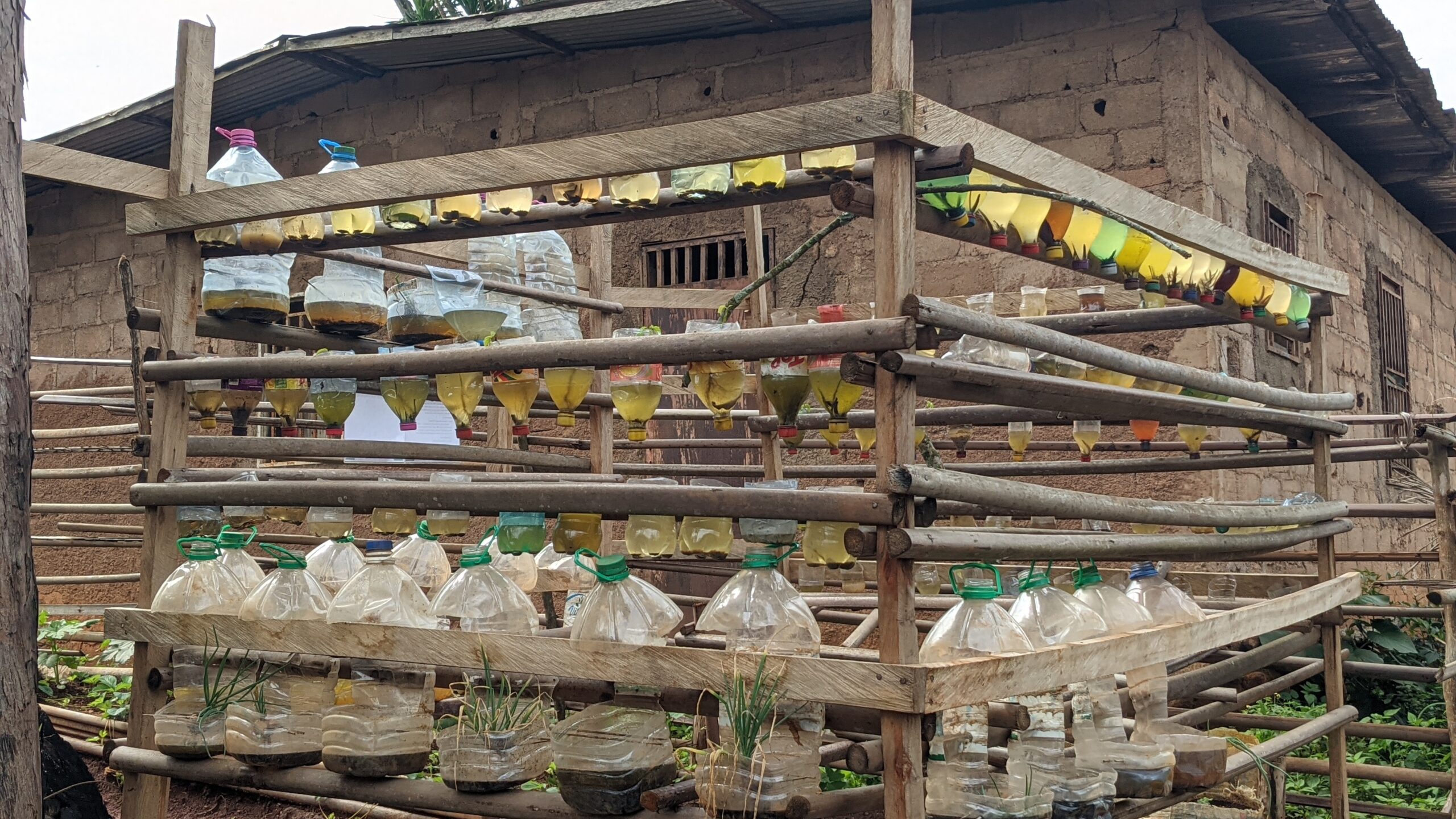
    Here we showcase a beautifully constructed, multi-level wooden rack system hosting a variety of repurposed plastic containers—cleverly designed for hydroponics, bioponics, organoponics, and bio-cultivation. These systems support the growth of onions, hot peppers, and mints—three crops widely used in Cameroonian kitchens and beyond.

    🌱 Our Soilless Cultivation Techniques Explained

    1. Hydroponics

    Hydroponics is the art of growing plants in a nutrient-rich water solution without soil. In the image, many of the inverted plastic bottles on the upper levels are hydroponic units—plants like mint are rooted in substrates such as gravel or sponge, with water and nutrients supplied directly to their roots. This method:

    – Reduces water usage by up to 90% compared to soil farming.

    • Enables faster growth and cleaner crops.
    • Makes vertical and urban farming feasible.

    2. Bioponics

    Bioponics builds on hydroponics by incorporating organic biological inputs, such as compost teas, fish waste, or fermented plant juices, into the nutrient solution. It supports a living ecosystem within the water that helps feed plants naturally. We use bioponics to grow hot peppers in the nursery—yielding healthy, pest-resistant plants with minimal chemical intervention.

    3. Organoponics

    Organoponics is a Cuban-origin farming practice that uses organic substrates like compost, manure, or coconut coir instead of soil. In our nursery, onion bulbs thrive in organoponic containers, benefiting from the rich microbial life and nutrient density of the substrate. This technique is ideal for low-income or peri-urban areas where fertile soil is scarce.

    4. Bio Cultivation

    By “Bio,” we refer to a general framework of ecological, low-impact cultivation that integrates elements of agroecology and organic farming in a soilless context. We use biological pest controls, fermented fertilizers, and zero synthetic chemicals—ensuring the system is regenerative and environmentally safe.

    Why This Matters

    • Climate resilience: Soilless systems reduce dependency on fertile land, which is increasingly threatened by erosion, deforestation, and climate change.
    • Education & empowerment: Our nursery acts as a living classroom for students, women’s groups, and young farmers
    • Circular economy: By upcycling plastic waste into productive farming units, we turn pollution into production.

    🌍 STONEFARMS: A Model for Africa’s Future Farming

    This initiative reflects our broader mission: to promote sustainable, inclusive, and innovative farming solutions across Cameroon and Sub-Saharan Africa. We believe the future of farming lies in smart integration of traditional knowledge with modern, climate-smart practices—and this nursery is just the beginning.

    Whether you’re a student, policymaker, entrepreneur, or eco-conscious citizen, we invite you to visit our nursery and experience firsthand the power of soilless agriculture in action.

  • 🍓 Strawberries on Bamboo: A Model of Intelligent Farming at STONEFARMS Nursery, Dschang

    🍓 Strawberries on Bamboo: A Model of Intelligent Farming at STONEFARMS Nursery, Dschang

    At STONEFARMS, innovation meets sustainability in the heart of Yaguem village, Dschang, West Cameroon. Our latest showcase in agroecological design is a living testament to what intelligent, small-scale farming can look like when guided by creativity, ecological harmony, and community purpose.

    Welcome to our Bamboo Pyramid Cultivation System an eye-catching and highly productive model we developed right within our plant nursery.

    🌿 The Concept: Nature-Inspired, Farmer-Driven

    – In this system, we’ve used locally sourced bamboo to build a tiered pyramid structure and raised beds not just for aesthetics, but for function. Bamboo is durable, renewable, and abundantly available, making it an ideal material for sustainable farming in rural communities.

    What grows on it? A clever polyculture of strawberry, lettuce, cabbage, and okra each plant chosen for its unique growth characteristics and its ecological synergy with the others.

    🍓 Why Strawberries on a Pyramid ?

    Strawberries are often underestimated in African agriculture, yet they offer high value in urban and peri-urban markets. By planting them on a pyramid,

    • We maximize space vertically
    • Improve aeration and drainage
    • Reduce soil-borne diseases through elevation
    • And make harvesting easier a practical bonus
    • The strawberries sprawl gracefully over the tiers, while lettuce and cabbage form lush, water-retaining layers, and okra stands tall, contributing shade and vertical diversity.

    🥬 Intelligent Plant Association

    • This mixed planting isn’t random. It’s a thoughtfully designed system where:
    • Lettuce helps cover soil and retain moisture.
    • Cabbage adds biomass and suppresses weeds.
    • Okra contributes to microclimate regulation and adds vertical diversity.
    • Strawberries benefit from shared nutrients and reduced pest pressure.

    The result? Higher productivity, fewer chemical inputs, and healthier soil.

    🌱 A Living Lab for Eco-Education

    More than a farm bed, this pyramid is a living classroom. Visitors, youth, farmers, and students can learn hands-on about polyculture, vertical farming, bamboo construction, and the economic potential of strawberries in Cameroon.

    📍 Location

    You can see this thriving example of agroecological design in our STONEFARMS nursery at Yaguem village, just outside Dschang, West Cameroon. It is part of our broader mission to empower local farmers, promote biodiversity, and implement sustainable, high-yield farming techniques tailored to our environment.