Author: Stone Farms

  • A Taste of Agroecology: Today’s Fresh Harvest from STONEFARMS

    A Taste of Agroecology: Today’s Fresh Harvest from STONEFARMS

    At STONEFARMS, every harvest tells a story one rooted in ecological integrity, community empowerment, and sustainable nourishment.

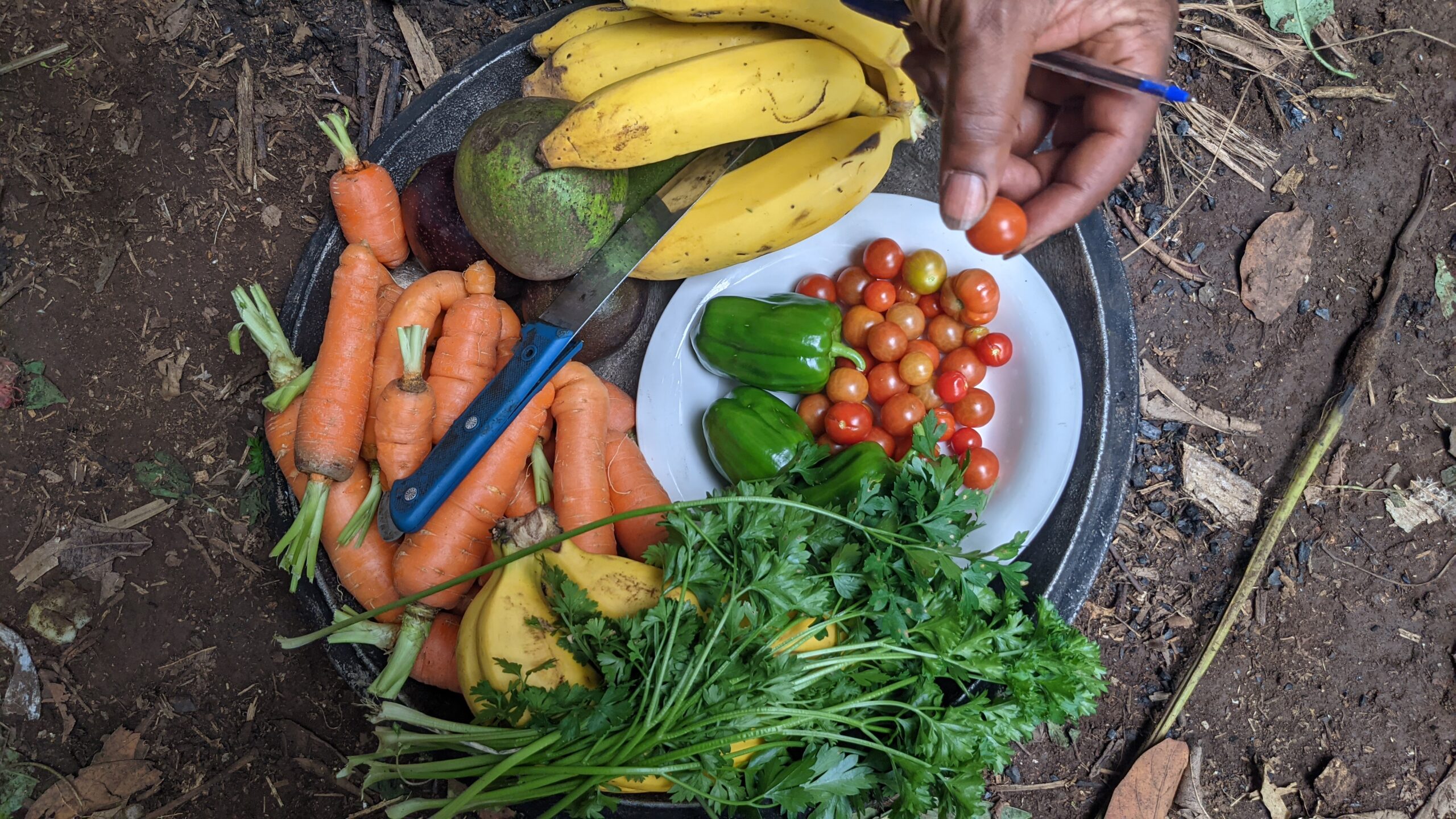
    The vibrant display in the photo above is more than just a colorful collection of fruits and vegetables. It is a proud testimony to what agroecological farming can achieve when science, tradition, and community work in harmony. Straight from our fields, this assortment includes sweet bananas, juicy cherry tomatoes, crunchy carrots, green bell peppers, rich avocados, medicinal herbs, and slices of fresh pawpaw—each grown without synthetic chemicals and harvested at peak ripeness.

    These crops were cultivated in living soils enriched through organic practices and regenerative methods that support biodiversity and long-term fertility. Behind each produce item is a process that respects nature, honors local knowledge, and uplifts farmers—especially women and youth—at the heart of our vision.

    But beyond the beauty and flavor lies something deeper: health. Eating fresh, organic produce isn’t just a lifestyle choice—it’s a pathway to stronger bodies, clearer minds, and longer lives. We believe that nourishing the land and its people go hand in hand. By choosing chemical-free, nutrient-rich food, we empower our communities to live better, healthier lives.

    STONEFARMS doesn’t just grow food. We grow dignity, independence, resilience, and wellbeing. Whether it’s through our training programs, turnkey farming services, or ecological consultancy, every effort we make is aligned with the United Nations Sustainable Development Goals (SDGs), particularly those relating to zero hunger, climate action, gender equality, and sustainable land use.

    This harvest is also a celebration a moment to remind ourselves and our partners that good food can come from healthy ecosystems and empowered hands.

    We invite you to visit our farm, engage with our work, and be part of a movement that is transforming agriculture in Cameroon one harvest and one healthy life at a time.

    We are Sowing Sustainability to Harvest Health and Hope.

    A taste of agroecology with Stonefarms

  • SUSTAINABLE AGRICULTURE THROUGH COMPOSTING AT STONEFARMS

    SUSTAINABLE AGRICULTURE THROUGH COMPOSTING AT STONEFARMS

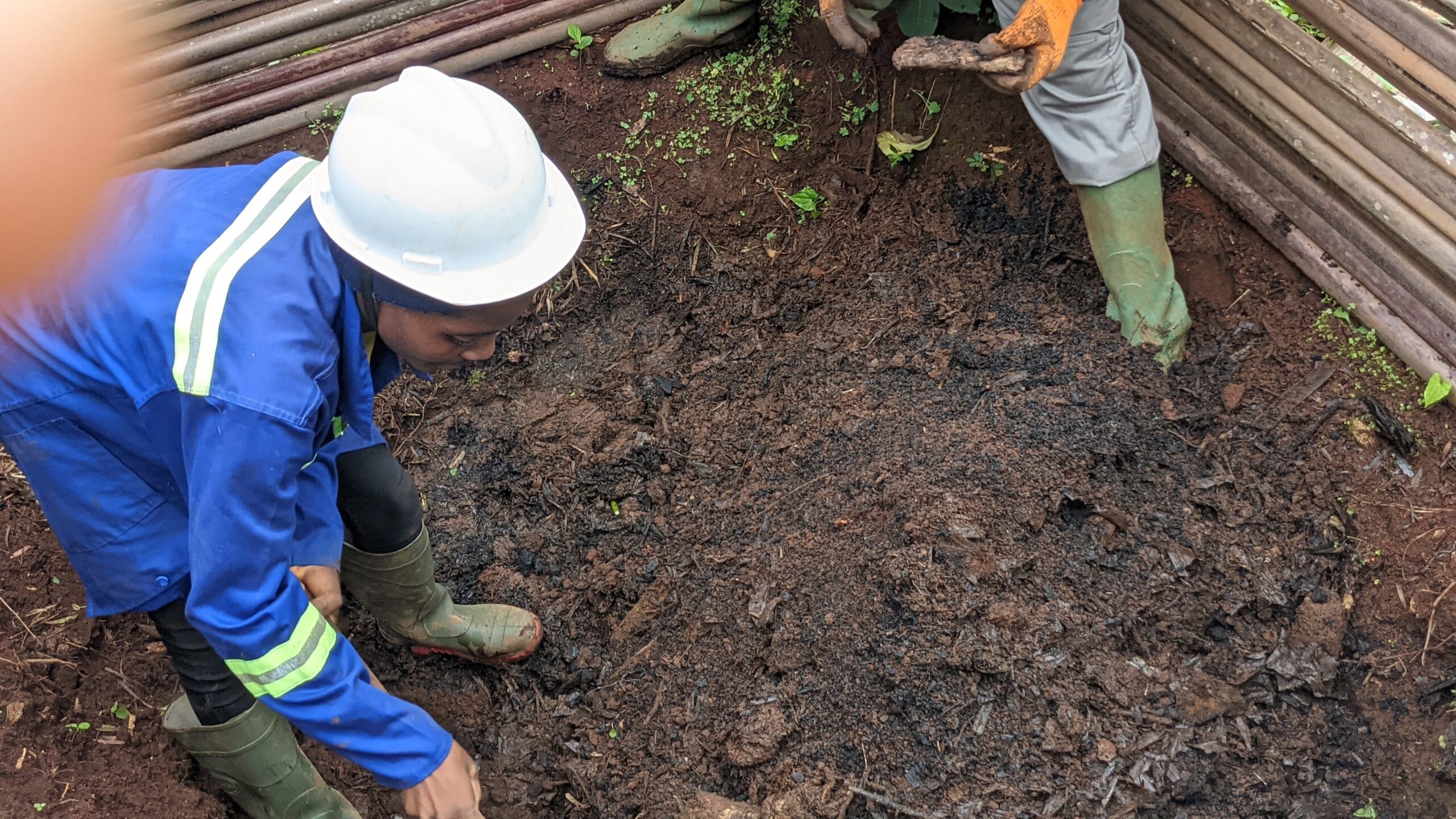
    The Stonefarms Research Park is dedicated to promoting sustainable agricultural practices through innovative research and hands-on training. Our agricultural students on internship, under the guidance of experienced professionals, have been transforming organic waste into nutrient-rich compost.

    The Composting Process

    The composting process involves collecting and mixing over 70 plant materials, kitchen waste, wood ash, charcoal, forest soil, termite soil, and worms into a compost bin. Microorganisms break down the materials over time, with regular turning and maintenance. The resulting compost is collected, air-dried, and packaged for use.

    Compost Tea: A Liquid Solution

    In addition to solid compost, we collect a liquid compost tea rich in beneficial microbes, including bacteria, fungi, and protozoa. Compost tea enhances soil microbial activity, increases plant nutrient uptake, supports plant disease resistance, and fosters a balanced ecosystem.

    Benefits of Compost and Compost Tea

    Compost and compost tea improve soil structure and fertility, support healthy microbial activity, and promote eco-friendly farming practices. They can be used alone or in combination with fertilizers.

    Empowering the Next Generation

    Stonefarms is committed to sharing knowledge and skills with interns and the farming community. Through hands-on training and experience, we empower the next generation of farmers and agricultural professionals to adopt sustainable practices and promote environmental stewardship.

    Join the Movement

    Discover the benefits of sustainable agriculture through composting. Learn more about our initiatives and how you can get involved.

  • STONEFARMS HOSTS UNITED NATIONS JUNIOR PARLIAMENTARIANS FOR THE DSCHANG CHAPTER

    STONEFARMS HOSTS UNITED NATIONS JUNIOR PARLIAMENTARIANS FOR THE DSCHANG CHAPTER

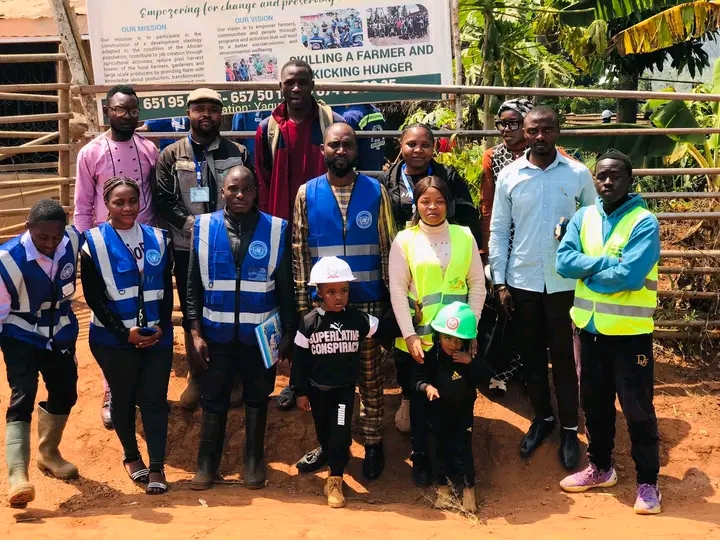
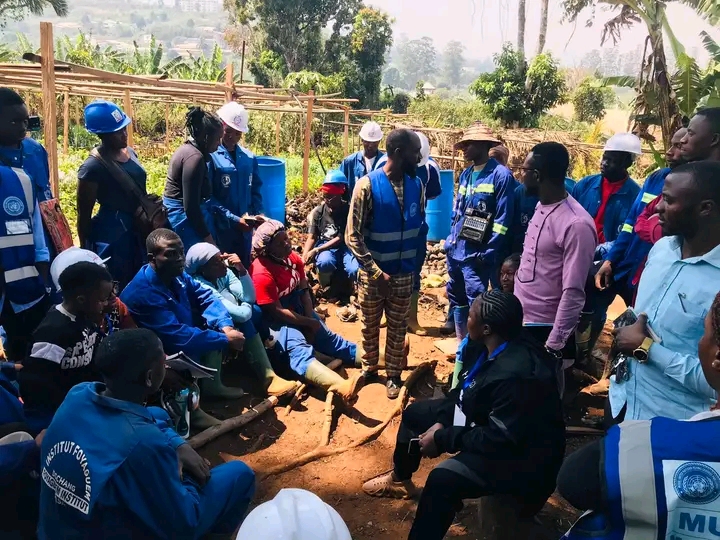
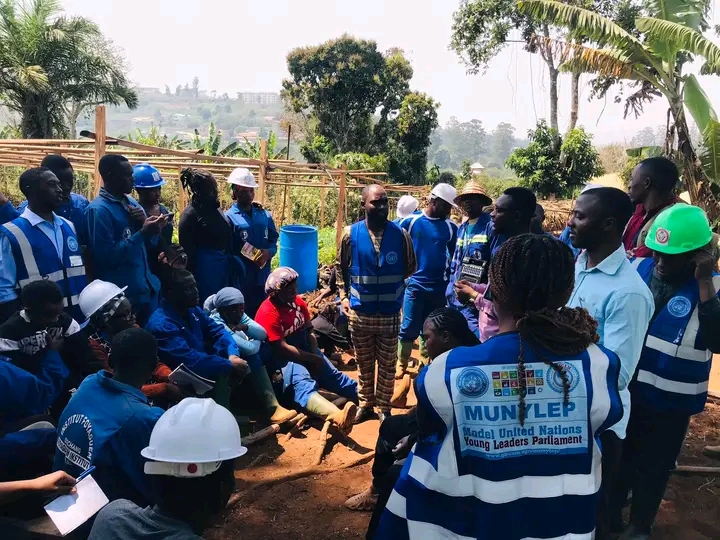
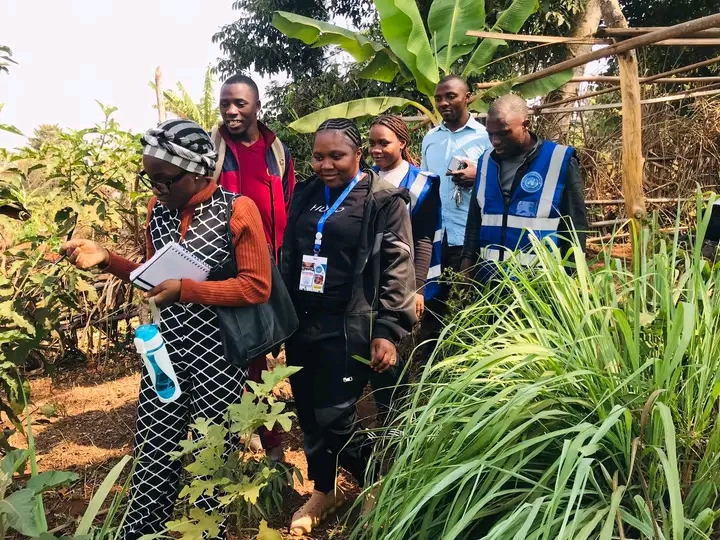
    🌱STONEFARMS was delighted to welcome the United Nations Junior Parliamentarians from the Dschang Chapter to its Research Nursery Park.

    During this insightful exchange, the discussion centered on the United Nations 2030 Agenda for Sustainability. STONEFARMS had the opportunity to share its significant contributions to advancing the Sustainable Development Goals (SDGs), particularly:

    👉SDG 1: No Poverty,

    👉SDG 2: Zero Hunger,

    👉SDG 3: Good Health and Well-being,

    👉SDG 4: Quality Education,

    👉SDG 5: Gender Equality,

    👉SDG 6: Clean Water and Sanitation,

    👉SDG 11: Sustainable Cities and Communities,

    👉SDG 13: Climate Action, and

    👉SDG 17: Partnerships for the Goals.

    🌱This collaborative engagement was a tremendous honor for the STONEFARMS team, as it reaffirms our commitment to fostering sustainable development. We eagerly anticipate working together to expand our collective impact within the local community and across the subregion.

  • CLIMATE AWARENESS CAMPAIGN

    CLIMATE AWARENESS CAMPAIGN

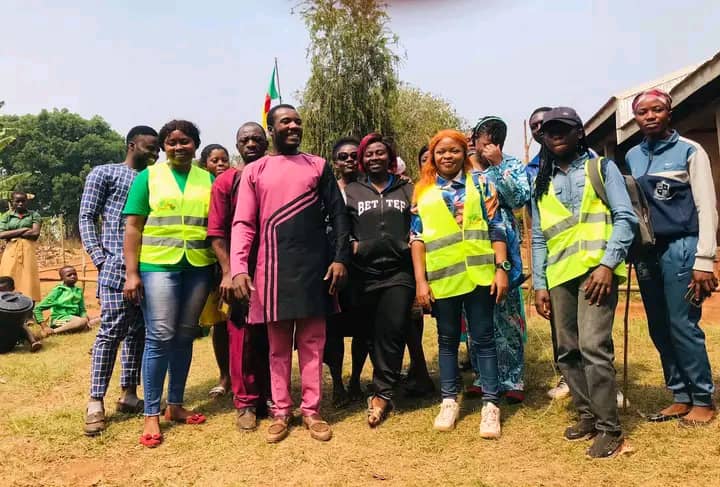
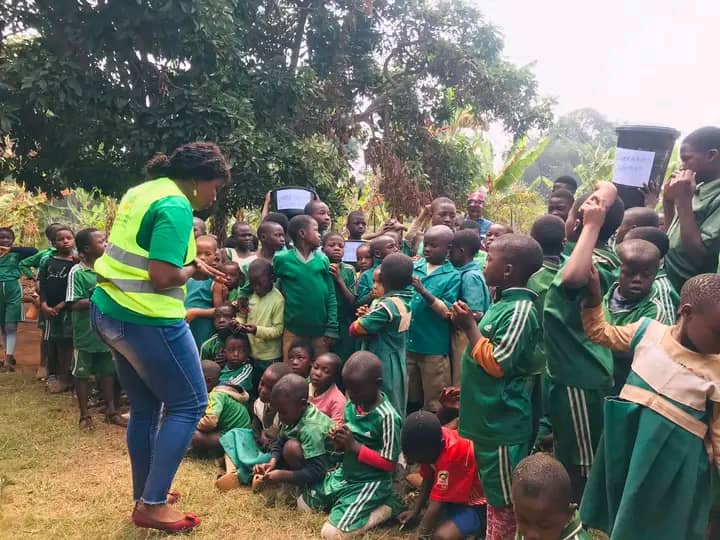
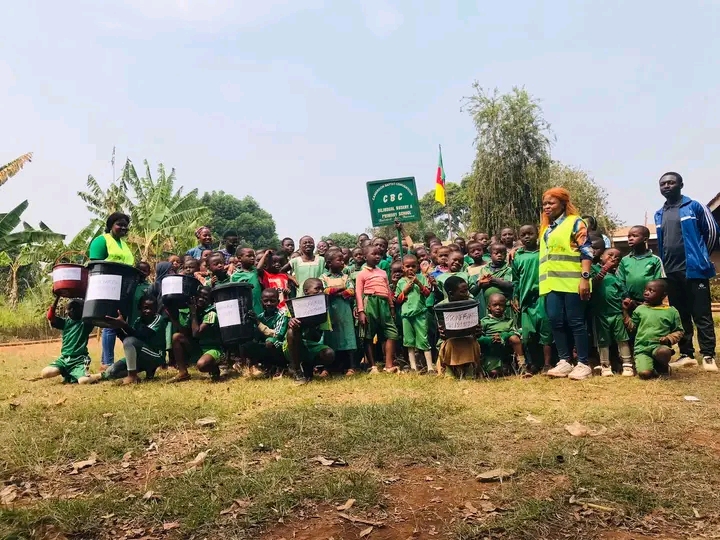
    Our recent climate change awareness campaign was at the Cameroon Baptist Convention (CBC) Primary and Secondary School Balatsit.

    STONEFARMS team J-nee Mengets and Gabrièle Rodine Ngassa Tchoumi engaged with students and staff, emphasizing the importance of protecting our planet. To promote cleanliness and reduce pollution, we donated buckets to encourage proper waste sorting in the school premises.

    This initiative aligns with the United Nations Sustainable Development Goals (SDGs), specifically:

    👉SDG 4: Quality Education (promoting education for sustainable development)
    👉SDG 6: Clean Water and Sanitation (encouraging proper waste management and hygiene practices)
    👉SDG 13: Climate Action (educating and inspiring climate action among young people)

    We’re really committed to supporting the school’s sustainability journey so, our next steps include:

    👉Composting workshops to turn waste into nutrient-rich soil for the school gardens.
    👉Tree planting on school campus to promote biodiversity and mitigate climate change.

    We’re proud to inspire the next generation of climate leaders. Stay tuned for updates on our climate action initiatives.

  • GROWING GREEN FOR A GREENER FUTURE IN DSCHANG

    GROWING GREEN FOR A GREENER FUTURE IN DSCHANG

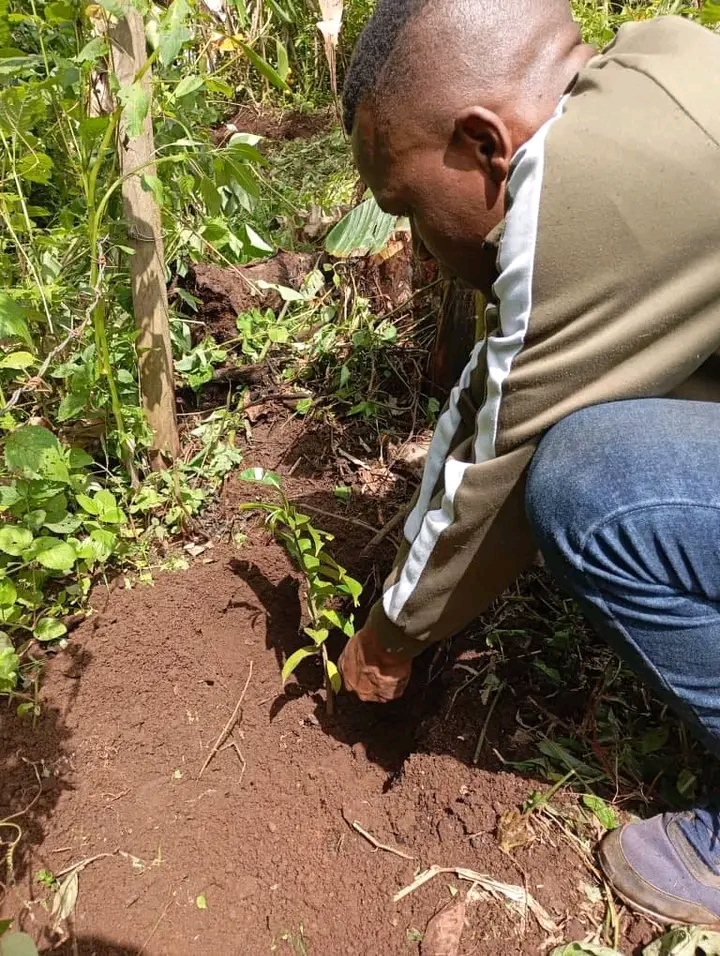
    Every tree planted is a step toward climate resilience, biodiversity conservation, and community empowerment. In our recent tree-planting activity in Dschang, we didn’t just plant trees we invested in the future. This initiative focused on ecological and socioeconomic species, ensuring both environmental sustainability and long-term benefits for our local communities. Among the species planted were soursop, guava, plums, and papaya, fruit-bearing trees that will nourish both people and the planet.

    🌳Why should we Plant Trees? 

    Trees play a crucial role in the carbon cycle, acting as carbon sinks that absorb CO₂ from the atmosphere. Through photosynthesis, they take in carbon dioxide, release oxygen, and store carbon in their biomass, reducing the greenhouse gases that contribute to climate change. So, we actively mitigate climate impacts, enhance soil health, and create natural habitats for biodiversity when we plant trees.

    🌳Our Impact & Commitment

    🌴This tree planting initiative aligns with SDG 13 (Climate Action) and SDG 15 (Life on Land) by restoring degraded lands and strengthening ecosystems. Beyond ecological benefits, our choice of fruit-bearing trees supports food security, economic opportunities, and improved livelihoods for local farmers. These trees will provide harvests for years to come, reducing food dependency while empowering communities with sustainable agroforestry practices.

    We at STONEFARMS know that every planted tree is a statement of hope, a contribution to climate resilience, and a legacy for future generations. As we continue this mission, we invite communities, partners, and stakeholders to join us in growing a greener, more sustainable tomorrow.

    Together, we plant. Together, we grow.

  • European Union HEALTHY DIETS FOR AFRICA’s Team Visits Cameroon for an Evaluation Meeting

    European Union HEALTHY DIETS FOR AFRICA’s Team Visits Cameroon for an Evaluation Meeting

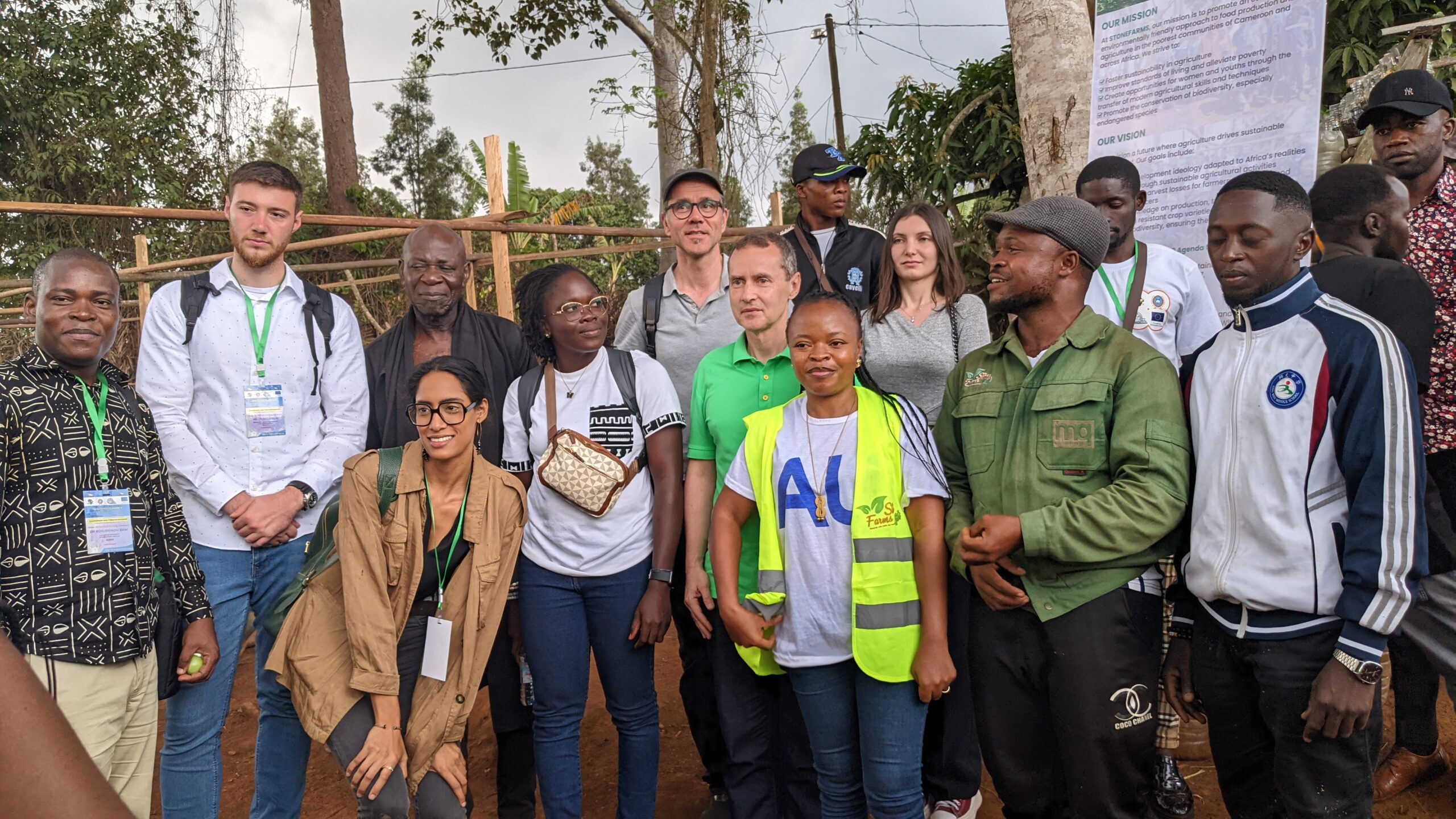
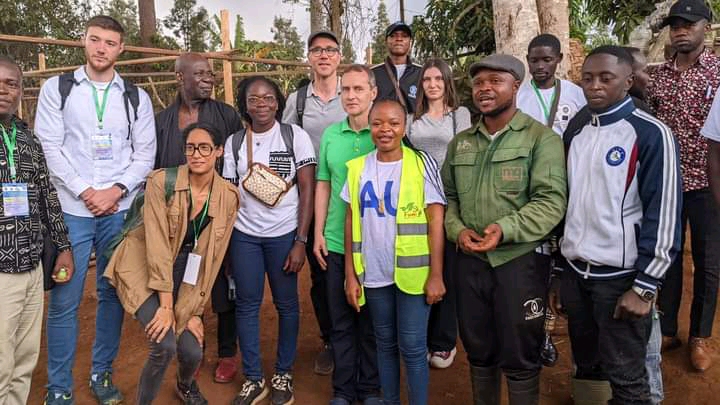
    EU HealthyDiet4Africa(HD4A) Visits STONEFARMS


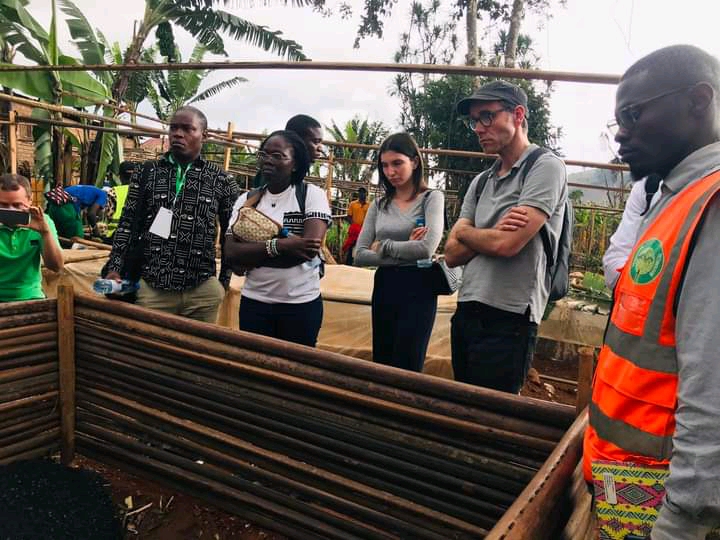
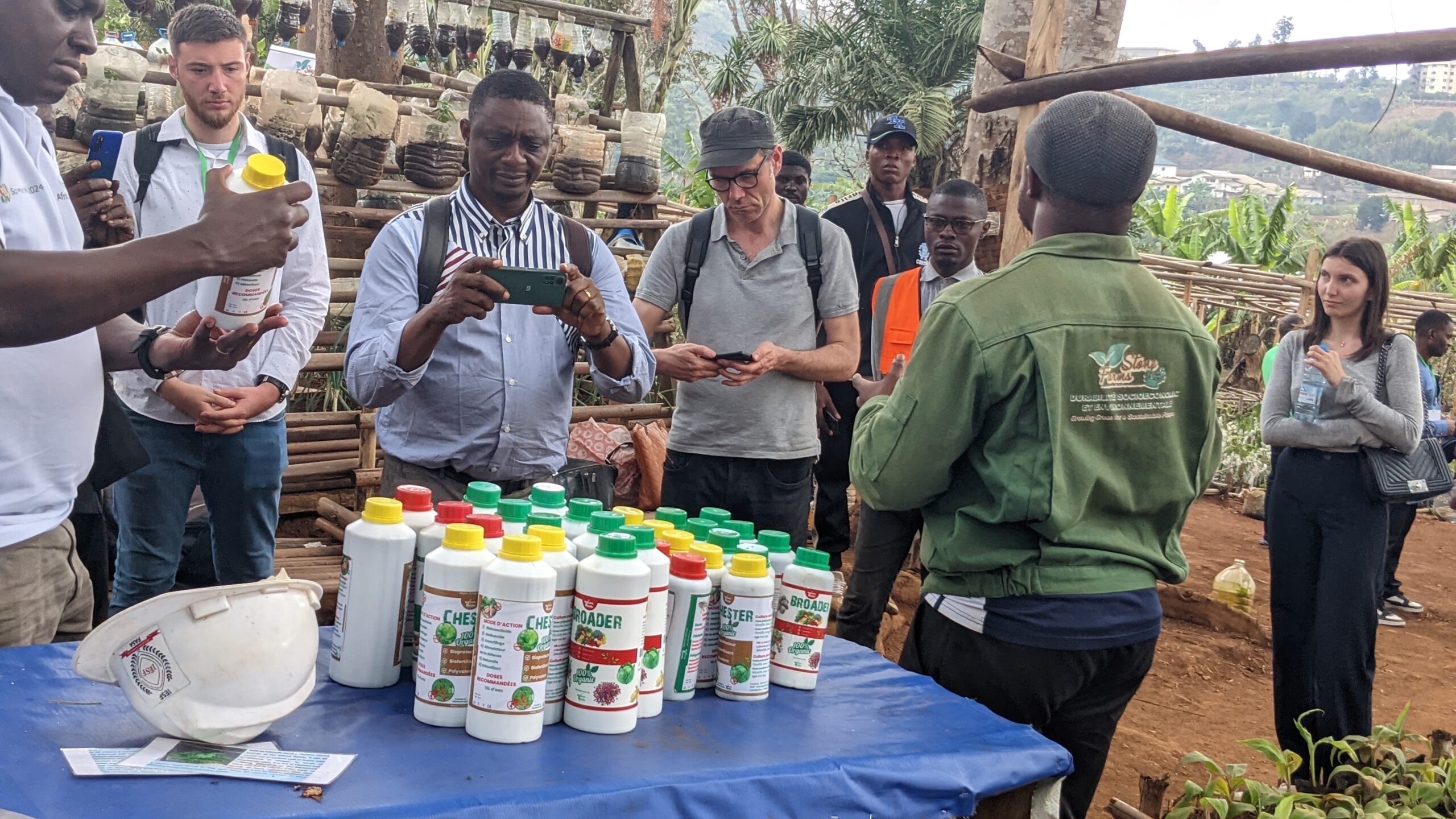
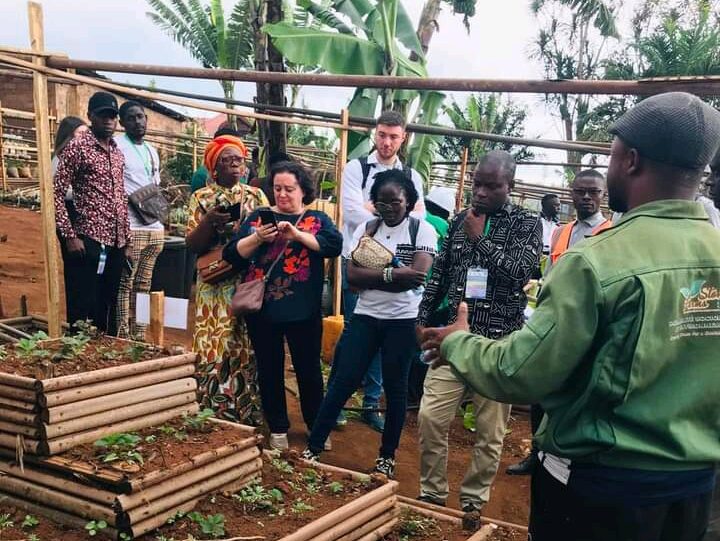
    This week, we had the honor of welcoming the EU Healthy Diets for Africa team in Cameroon, during their evaluation visit. As one of the beneficiaries through AVTC, STONEFARMS was privileged to receive them at our Research Nursery Park, where we showcased our work in sustainable food production.

    We shared insights into our cultivation of cereals, vegetables, and other essential food crops, along with our innovative approach to organic crop treatment using our organic liquid fertilizers and pesticides.

    Our mission at STONEFARMS is clear, to produce food that is sufficient, nutritious, safe, and affordable not just for our community but across the entire sub-region.

    This engagement reaffirms our commitment to a healthier and more sustainable food system. We are excited about the impact of this initiative and look forward to further collaboration in advancing food security and nutrition in Cameroun and across Africa.

  • Training Of Over 15 Youths In Montessori English Secondary And High School

    Training Of Over 15 Youths In Montessori English Secondary And High School

    Project Progress

    100%

    Project Background

    In the locality of Sancho, West Region, Cameroon; the community is faced with a degrading soil due to over use of chemical fertilizer in an effort improve yields. This project aims to:

    • To Promote the use of eco-friendly, plant-based solutions (such as Tithonia diversifolia, Sesbania sesban, Gliricidia sepium, rabbit urine, fowl droppings, woodash, biochar, targetes erecta, and Vernonia amygdalina) to reduce chemical inputs in farming,therby preventing soil degedation and depletion
    • Empowering the students of in Sancho by equipping them with skills in organic fertilizer and compost production.
    • Increase the economic resilience of participants by introducing alternative, low cost, and sustainable farming inputs that can improve crop yields and reduce costs.

    Project Execution

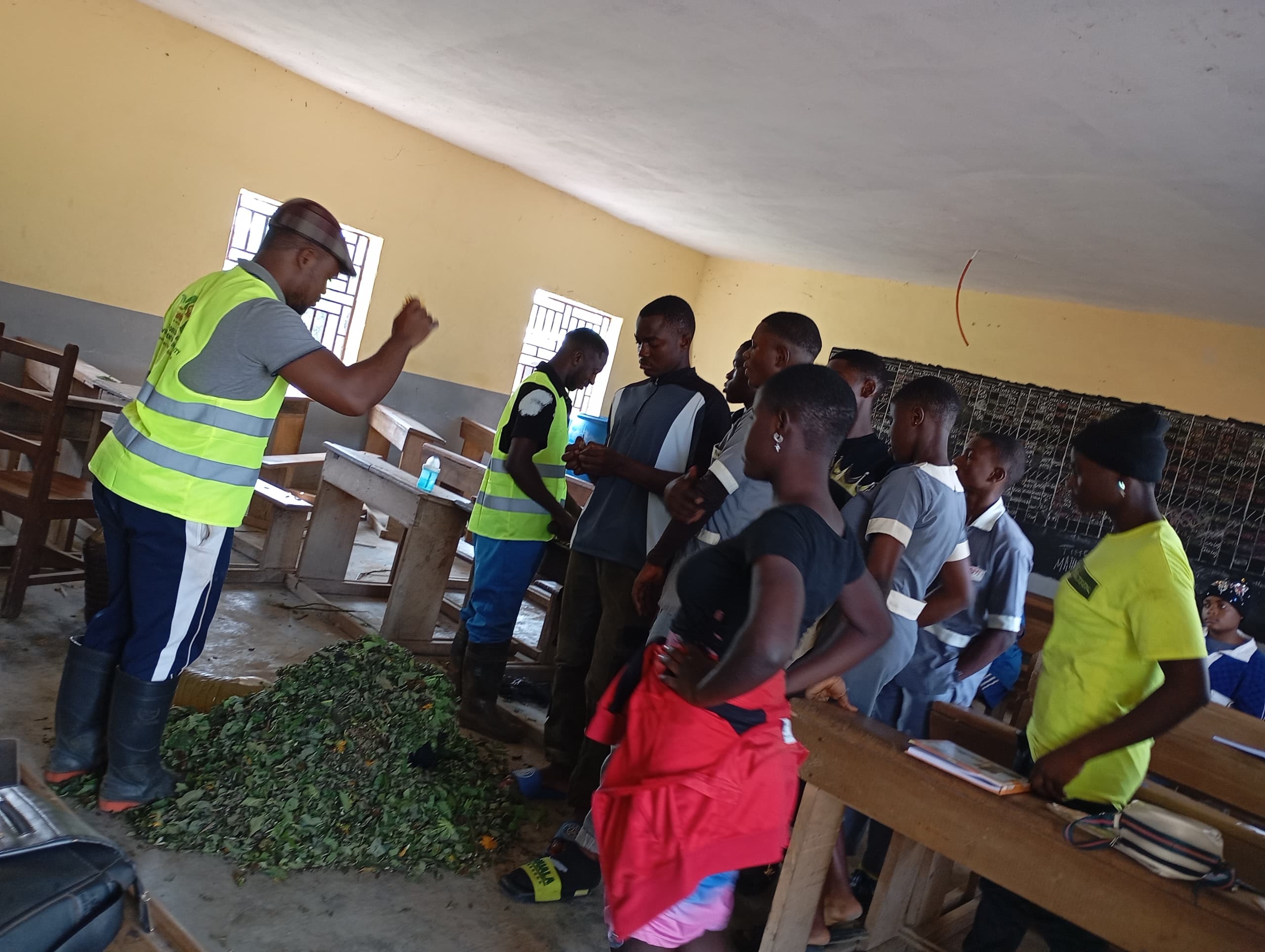
    This workshop was designed to teach students practical skills in producing organic liquid fertilizers using locally available materials. The training emphasized the benefits of organic fertilizers in improving soil fertility, promoting sustainable agriculture, and supporting economic opportunities for the community.

    • The session began with a word of prayer to the Giver Of Life and inspiration, the Father of all plants then an introduction to the concept of organic liquid fertilizers, highlighting their benefits over chemical fertilizers. Participants were guided step-by-step on how to prepare fertilizers using organic waste and plant materials.
    • A live demonstration was conducted to show the process of mixing, fermenting, and storing the fertilizer.
    • Participants were encouraged to ask questions, share ideas, and brainstorm how these fertilizers could be used in their school farms or sold for income.
    • Materials and equipment for the demonstration were sourced locally, ensuring the process was accessible and replicable for participants.
    • The session was interactive, combining theory with hands-on practice.
    • Students were provided with handouts summarizing the steps and benefits of organic fertilizer production to reinforce their l earning.
    • The activity concluded with a discussion on how participants could utilize the skill for personal and community benefit, fostering economic empowerment and development. Through this activity, students gained practical agricultural skills, contributing to economic empowerment, environmental sustainability, and community development.

    Project Results

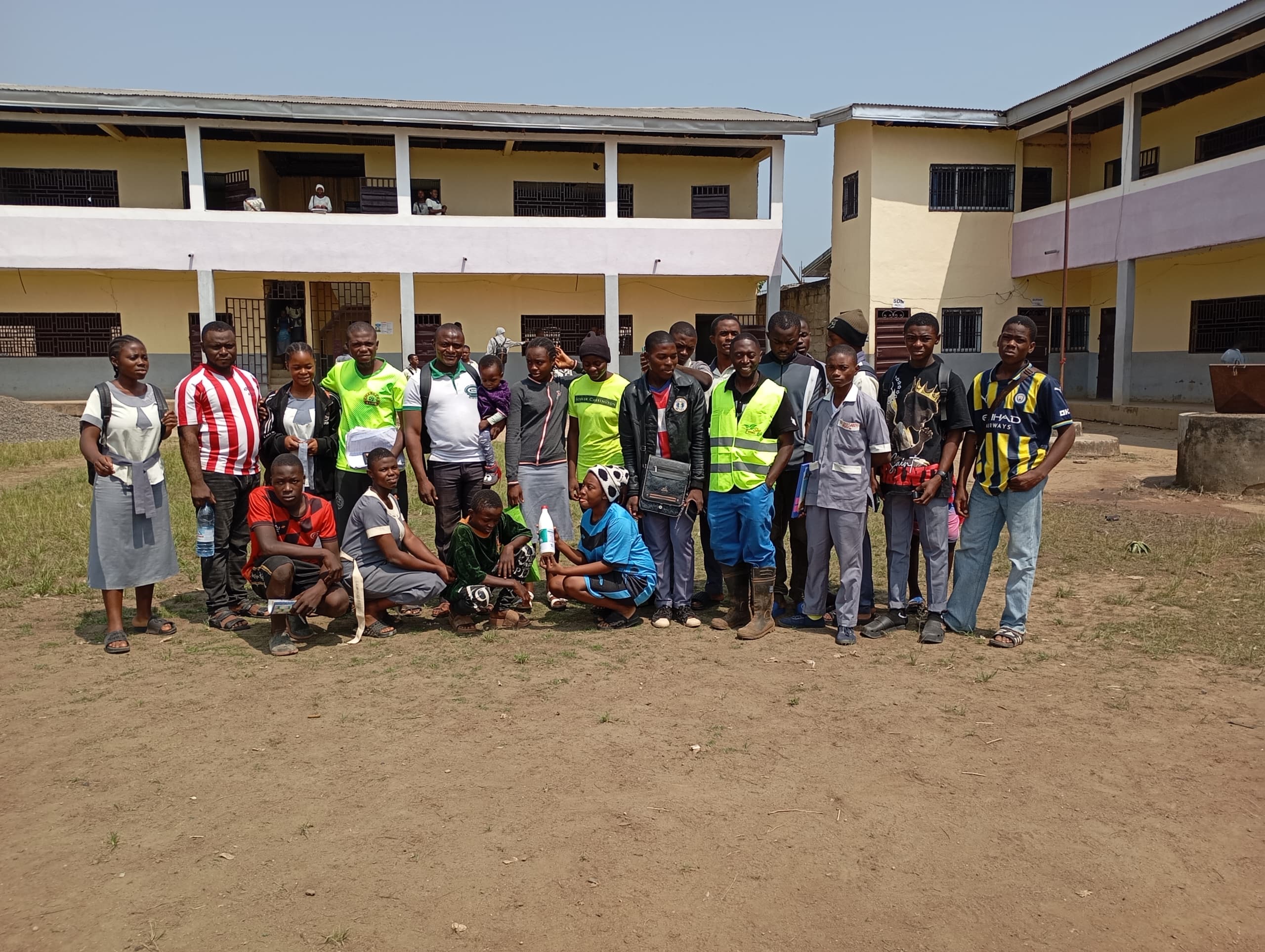
    The activity directly reached over 15 members of the Science Club at Montessori English Secondary And High School(MESHS), comprising students aged betweenn 13–18 years from diverse socio economic backgrounds. The majority of participants were youths from farming families, making them highly receptive to agricultural innovations.

    • Conducted a practical workshop on the production of organic liquid fertilizers, covering the entire process from material selection to application techniques.
    • Distributed informational handouts summarizing the steps and benefits of organic fertilizer production.
    • Successfully produced 250L of organic liquid fertilizer during the session, demonstrating its practicality and effectiveness.
    • Participants acquired valuable skills in producing organic liquid fertilizers, which they can now use in their school and home farms.
    • The training sparked interest in sustainable farming practices and created awareness about reducing dependence on chemical fertilizers.
    • Students expressed confidence in utilizing the knowledge for personal use and income generation, fostering economic empowerment and self-reliance.
    • By equipping these young individuals with practical skills, the initiative is contributing to long-term community development and environmental sustainability