STONEFARMS Launches 25-Hectare Climate-Smart Cassava Seed Production Hub in Foulong: The First Step Toward a 500-Hectare Rural Transformation Platform
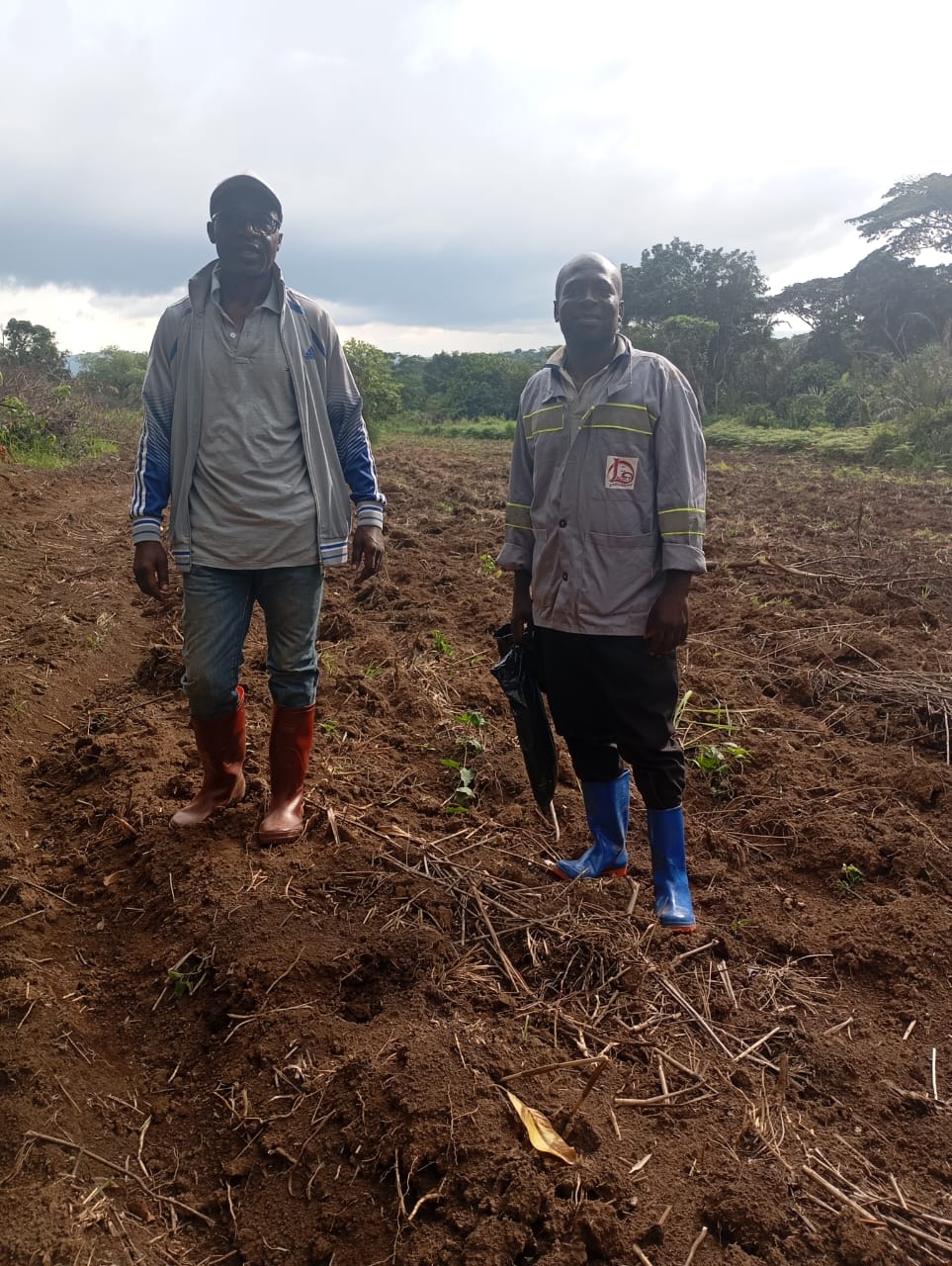
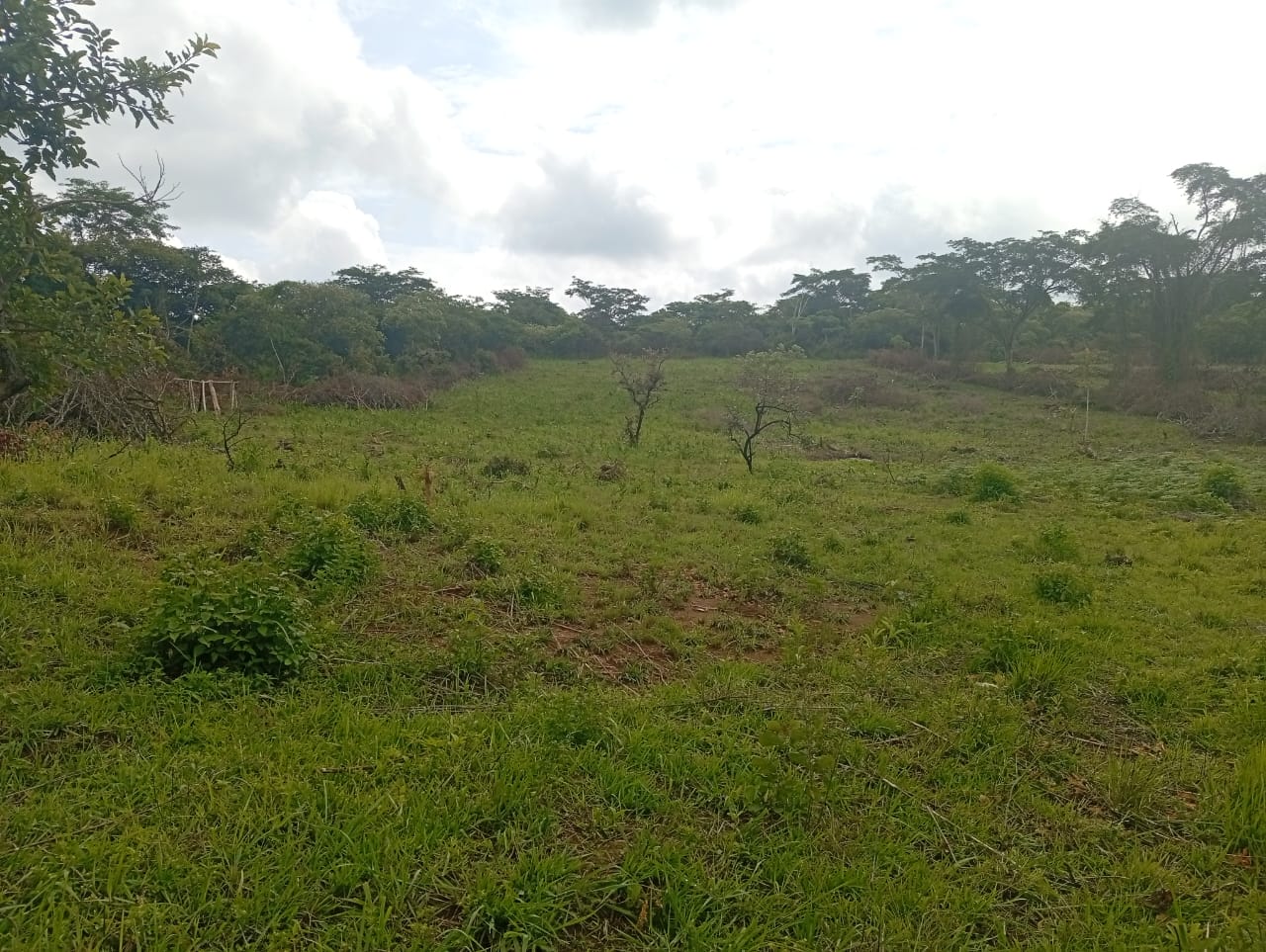
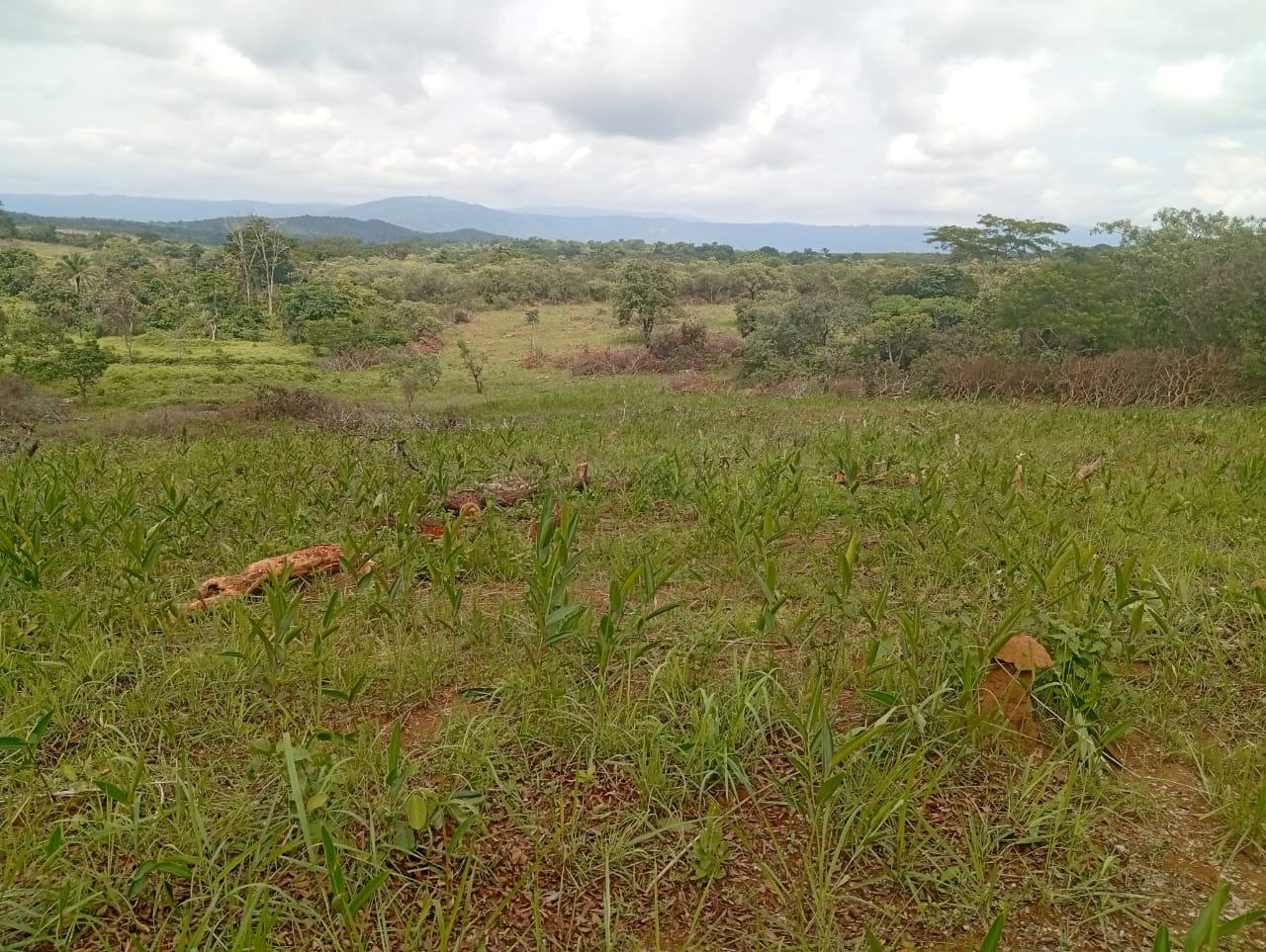
In the fertile agricultural landscape of Foulong Village, located in Foumbot Subdivision of Cameroon’s West Region, a transformative initiative is taking shape. Led by STONEFARMS in strategic collaboration with WEFA SARL and Nature Guide, the Foulong Climate-Smart Cassava Development Initiative is laying the foundation for one of the most ambitious agroecological and rural transformation projects in the region.
At the heart of this vision is the establishment of a 25-hectare cassava seed multiplication hub, the pilot phase of a larger 500-hectare climate-smart agricultural development platform. Designed to address food insecurity, youth unemployment, environmental degradation, and rural poverty, the initiative demonstrates how sustainable agriculture can become a powerful engine for socioeconomic development and environmental stewardship.
The project is not simply about growing cassava. It is about creating opportunities, restoring hope, strengthening communities, and building a resilient future for generations to come.
Why Cassava Matters for Food Security in Africa
Cassava is one of Africa’s most important staple crops, supporting the livelihoods and food security of hundreds of millions of people. In Cameroon and across Sub-Saharan Africa, it serves as a vital source of calories, household income, and economic activity.
However, many farmers continue to face significant challenges, including limited access to quality planting materials, declining soil fertility, climate-related production risks, low productivity, and weak value chains.
Recognizing these realities, STONEFARMS has prioritized the development of a high-quality cassava seed multiplication system capable of producing improved planting materials for future expansion and dissemination to farming communities. By starting with seed production, the organization is building the foundation for a sustainable and scalable agricultural ecosystem that can significantly improve productivity and strengthen food systems across the region.
The 25-hectare pilot phase represents the first step toward realizing a broader vision of agricultural transformation driven by innovation, sustainability, and community participation.
A Powerful Partnership Driving Change
The progress achieved to date is the result of a strong and purposeful collaboration between STONEFARMS, WEFA SARL, and Nature Guide. This partnership demonstrates the power of collective action in addressing complex development challenges. Each organization has brought unique expertise, resources, and commitment to the initiative, contributing to planning, community engagement, technical support, site preparation, and operational coordination.
Together, these partners have worked tirelessly to transform an ambitious vision into a tangible reality. Their collaboration reflects a shared belief that sustainable development requires strong alliances capable of combining knowledge, innovation, and practical action. The journey to this stage has required resilience, determination, and a deep commitment to rural transformation. As implementation progresses, the partnership continues to serve as a model for how organizations can work together to create meaningful and lasting impact.
Overcoming the Realities of Rural Development
Large-scale agricultural development in rural Africa presents unique challenges, and the Foulong initiative has been no exception. One of the most significant obstacles encountered during the site preparation phase has been labor mobilization. Although the project is located within an agricultural community, many residents of Foulong are already engaged in their own farming activities. Others depend on hunting and related livelihood activities. Consequently, the availability of labor for large-scale land preparation has been limited.
To overcome this challenge, STONEFARMS, together with WEFA SARL and Nature Guide, expanded recruitment efforts into neighboring communities. Workers were mobilized from surrounding areas and provided with practical training to ensure that implementation activities met project standards and operational requirements.
This experience highlights an important lesson: sustainable rural development requires continuous investment in human capital, workforce development, and skills training. It also reinforces the need to create attractive employment opportunities that encourage youth participation in modern agriculture.
Investing in Human Capital: Worker and Intern Accommodation
At STONEFARMS, sustainable development begins with people. Recognizing the importance of providing adequate support for project personnel, the organization has already invested in the construction of basic on-site accommodation facilities for workers, interns, and technical staff involved in project implementation. These facilities currently provide lodging for personnel working on the development platform, reducing logistical constraints and improving operational efficiency.
As the project expands, STONEFARMS plans to modernize and significantly enhance these facilities, transforming them into a fully equipped agricultural learning and workforce support center capable of hosting interns, researchers, trainees, development practitioners, and technical experts from across Cameroon and beyond.
This investment reflects the organization’s commitment to creating an enabling environment where learning, innovation, and productivity can thrive.
Advancing Agricultural Mechanization
Another major challenge has been limited access to agricultural mechanization. While considerable progress has been achieved through manual and semi-mechanized approaches, large-scale agricultural transformation requires greater access to modern equipment and machinery.
Mechanization will play a critical role in improving efficiency, reducing labor burdens, accelerating implementation timelines, and enhancing overall productivity. To address this need, STONEFARMS is actively pursuing new strategic partnerships and investment opportunities that will support the gradual transition toward fully mechanized operations across the development platform. By embracing modern technologies while maintaining strong agroecological principles, the organization seeks to demonstrate that productivity and sustainability can advance hand in hand.
Addressing Water Challenges and Improving Community Well-Being
Access to safe drinking water remains one of the most pressing challenges affecting both project operations and surrounding communities. Currently, project teams often travel considerable distances to neighboring areas to obtain potable water. This situation highlights a broader infrastructure gap that affects local residents and limits opportunities for improved health and development outcomes.
In response, STONEFARMS has incorporated community water access into its long-term development strategy. Future plans include the installation of boreholes that will provide reliable access to clean drinking water for workers, local residents, and future project beneficiaries. These investments are expected to improve public health, reduce the burden associated with water collection, and contribute to the overall well-being of the community. For STONEFARMS, agricultural development and human development are inseparable.
Building Resilience in Challenging Conditions
Implementation teams have also had to navigate environmental and operational challenges, including the presence of wild flies and other field-related constraints commonly associated with large-scale agricultural activities in tropical environments. Through adaptive management, field monitoring, and continuous learning, the project team has remained committed to maintaining progress while ensuring worker safety and operational effectiveness.
These experiences underscore the resilience required to deliver meaningful development outcomes in challenging environments and reinforce STONEFARMS’ commitment to innovation and problem-solving.
Beyond Farming: A Vision for Rural Transformation
The Foulong Climate-Smart Cassava Development Initiative is designed to become far more than a cassava production project. It represents a long-term vision for integrated rural transformation, combining sustainable agriculture with environmental stewardship, economic empowerment, and human development.
Over time, STONEFARMS envisions the development of:
- Large-scale climate-smart cassava production systems
- High-quality seed multiplication programs
- Organic liquid fertilizer, biopesticide, and bioherbicide production units
- Agro-processing and value-addition facilities
- Vocational training and agricultural innovation centers
- Green job creation initiatives
- Renewable energy systems
- Community boreholes and social infrastructure
- Environmental restoration and biodiversity conservation programs
- Agro-tourism and environmental education platforms
This integrated model seeks to demonstrate how agriculture can drive sustainable economic growth while simultaneously protecting natural resources and improving quality of life.
A Model for Sustainable Development in Africa
The Foulong Climate-Smart Cassava Development Initiative aligns closely with global efforts to advance food security, climate action, sustainable livelihoods, and environmental conservation. Through regenerative agriculture, circular economy principles, climate resilience measures, and community-centered development approaches, STONEFARMS is building a model that can be replicated across Cameroon and other parts of Sub-Saharan Africa. The initiative reflects a belief that rural communities possess enormous potential when provided with the right resources, partnerships, and opportunities.
Looking Ahead: Planting the Seeds of Transformation
Today, the 25-hectare cassava seed multiplication hub stands as a powerful symbol of progress, partnership, and possibility. While challenges remain, the foundations are being laid for a future in which agriculture serves not only as a source of food, but also as a pathway to prosperity, resilience, and sustainable development.
The seeds being planted in Foulong today will do more than produce cassava. They will generate opportunities for farmers, create jobs for youth and women, strengthen food systems, improve community well-being, and contribute to environmental restoration.
Through the leadership of STONEFARMS and the unwavering support of WEFA SARL, Nature Guide, local communities, and future partners, this initiative is helping to shape a new model of rural transformation—one that is productive, inclusive, climate-resilient, and sustainable.
At STONEFARMS, we are not merely cultivating cassava. We are cultivating opportunity, restoring ecosystems, empowering communities, and building a future where people and nature thrive together.
Leave a Reply